
Why is GMS Certification the Key to SoftPOS Scalability?
1. Why Is the Industry Shifting to SoftPOS and GMS-Based Android Solutions?
The global payment landscape is moving toward more software-defined and more flexible commercial devices. Traditional single-purpose POS terminals are gradually being supplemented by Android-based hardware that can support payment acceptance, business apps, remote management, and future software upgrades within one platform.
According to Juniper Research, the number of merchants using SoftPOS solutions is expected to reach 34 million globally by 2027. This growth reflects a broader market shift toward lower hardware complexity, faster deployment, and more scalable contactless payment acceptance.
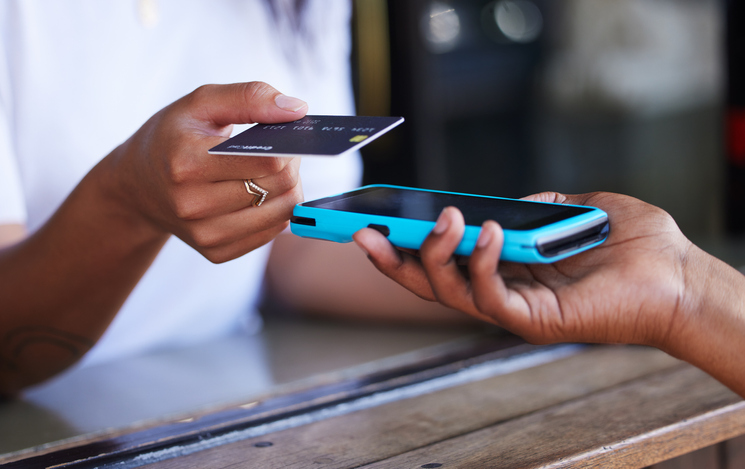
At the same time, this transition raises a more important question: how can software-based payment acceptance maintain a trusted and secure operating environment without relying on traditional dedicated POS hardware architecture?
For commercial deployment, this is where hardware quality, operating system integrity, and GMS-backed Android security capabilities become increasingly important. For businesses planning larger SoftPOS rollouts, the combination of capable hardware and a trusted Android environment can support better scalability, easier management, and stronger payment-readiness.
2. How Does PCI MPoC Influence SoftPOS Deployment?
To understand why trusted Android environments matter in SoftPOS deployment, it is useful to start with the payment architecture itself. SoftPOS uses NFC-based contactless communication, typically aligned with ISO/IEC 14443 standards, to interact with cards, phones, and other contactless assets.
In this model, some functions that were traditionally tied to dedicated payment hardware are handled through software, including the payment kernel environment and security controls around the transaction flow.
2.1 What Are the Main Security Implications of PCI MPoC?
The PCI MPoC standard is important because it supports mobile payments on commercial off-the-shelf devices, including PIN entry on standard touchscreen hardware under specific security conditions.
This creates new flexibility, but it also raises the bar for software protection, OS hardening, device integrity, and transaction security. For companies planning SoftPOS deployment, the security posture of the Android device becomes a core part of the deployment decision.
3. How Can the Android Play Integrity API Support SoftPOS Security?
Devices without a trusted and fully supported Android service environment may face more limitations in payment-related security checks, device attestation, and fleet-level management. In SoftPOS deployment, these system-level capabilities can make a meaningful difference.
For GMS-certified Android devices, two security-related capabilities are especially relevant:
3.1 Why Is Device Attestation Important?
- Play Integrity API: This helps verify device integrity, system state, and whether a device is operating in a safer and more trusted environment. It can help payment applications detect abnormal device conditions such as rooting or tampering.
- Google Play Protect: This helps scan for malicious applications and supports a cleaner application environment, which is valuable for payment-related use cases.
- Android Enterprise management: For larger fleets, enterprise Android management helps operators push updates, enforce policy, and reduce the operational burden of maintaining device compliance manually.
For SoftPOS projects, these capabilities do not replace payment certification or application-level security, but they do help provide a more manageable and more trusted commercial deployment environment.
4. Which Hardware Is Better Suited to GMS-Ready SoftPOS Deployment?
SUNTEK’s commercial hardware portfolio is designed to support different deployment paths across Android payment scenarios.
- Main recommendation for desktop SoftPOS deployment: SC1. SC1 is a premium desktop commercial terminal built for Android-based business applications, including SoftPOS-related use cases that require stronger platform capability, better performance, and a more trusted GMS-ready environment.
- Mobile form factor option: SM1. For projects that specifically require handheld mobility, SM1 offers a more portable hardware format while maintaining Android commercial deployment capability.
- Self-service kiosk path: SK1-15, SK1, and SK5. These kiosk models reflect the broader shift toward more integrated payment-ready hardware, especially in self-service scenarios where operators want cleaner structure and fewer external components.
- Conventional desktop POS path: SC2. SC2 remains suitable for more traditional retail checkout setups that do not prioritize SoftPOS as the primary direction.
5. SoftPOS Workflow: A Simplified Technical View
When a customer taps a card or phone on a SoftPOS-ready Android terminal, the process can be understood in five general steps:
- Environment check: The application verifies whether the device is running in an acceptable and trusted operating state.
- NFC communication: The terminal establishes contactless communication with the payment asset using the NFC interface.
- Transaction processing: The payment application and relevant software components process the contactless transaction logic.
- Encryption and secure transmission: Sensitive data is protected and transmitted through secured channels.
- Authorization: The acquiring side and payment network complete the approval process in real time.
This workflow shows why SoftPOS is not simply a matter of adding NFC to an Android device. The reliability of the hardware platform, the security posture of the OS, and the payment software environment all matter.
6. How Can SoftPOS Reduce Total Cost of Ownership?
One of the main reasons businesses evaluate SoftPOS is cost structure. Compared with more traditional payment hardware stacks, SoftPOS can reduce hardware complexity, speed deployment, and lower dependence on dedicated external acceptance modules in certain scenarios.
For businesses using capable Android commercial hardware such as the SC1, this can improve time-to-market and simplify rollout planning, especially when the device is already prepared for broader business applications beyond payment acceptance alone.
7. What Is the Future Outlook for SoftPOS and GMS-Based Android Devices?
Looking ahead, the combination of Android commercial hardware, SoftPOS capability, remote device management, and edge-side intelligence will continue to shape digital payment hardware strategy.
In future deployments, operators are likely to expect more from the device itself, including stronger local processing, better risk monitoring, easier update management, and smoother integration with business systems.
In that context, SoftPOS scalability is closely linked to device trust, platform stability, and hardware readiness. SUNTEK’s product direction reflects this shift by focusing on Android commercial terminals that support modern payment deployment requirements more effectively.
Authoritative References
相关新闻
-
FA10 10.1-Inch AI Facial Recognition Terminal for Smart Access
SUNTEK FA10 10.1-inch AI facial recognition terminal is designed for smart access control, visitor management, attendance, and self-service applicatio…
-
How to Choose the Right POS Terminal: SC1 vs SC2 vs SC6
Selecting the right POS terminal depends on your software requirements, hardware expectations and deployment environment. This guide compares SUNTEK S…
-
Updated FA8 Facial Recognition Terminal
SUNTEK has updated the FA8 8-inch Android facial recognition terminal with a more refined exterior design, a revised interface configuration, and stro…
-
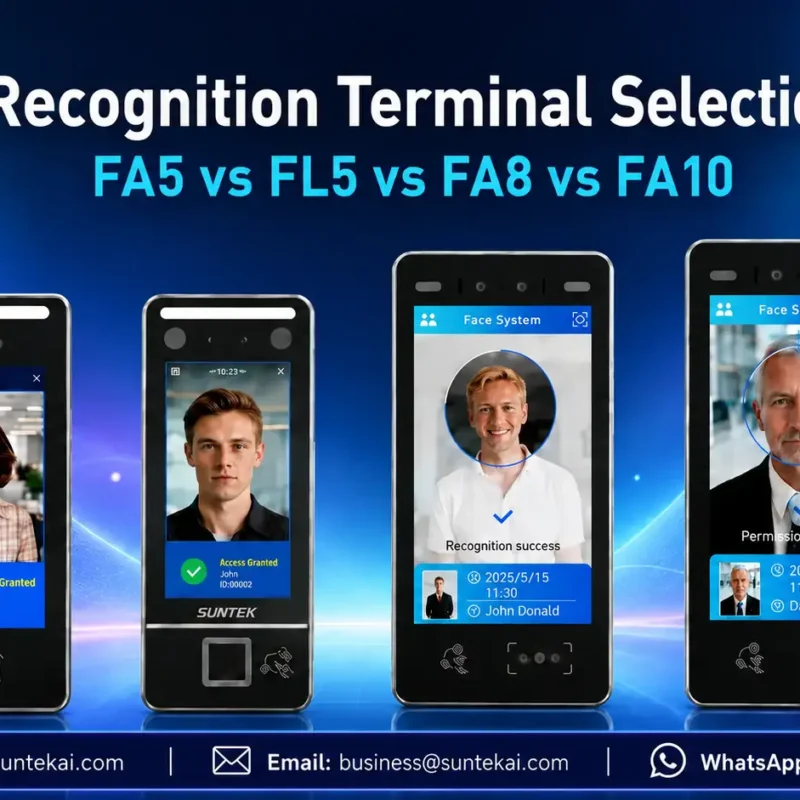
Facial Recognition Terminal Selection Guide: FA5 vs FL5 vs FA8 vs FA10
This guide compares SUNTEK FA5, FL5, FA8, and FA10 to help you choose the right facial recognition terminal for your project. Which SUNTEK Facial Reco…
-
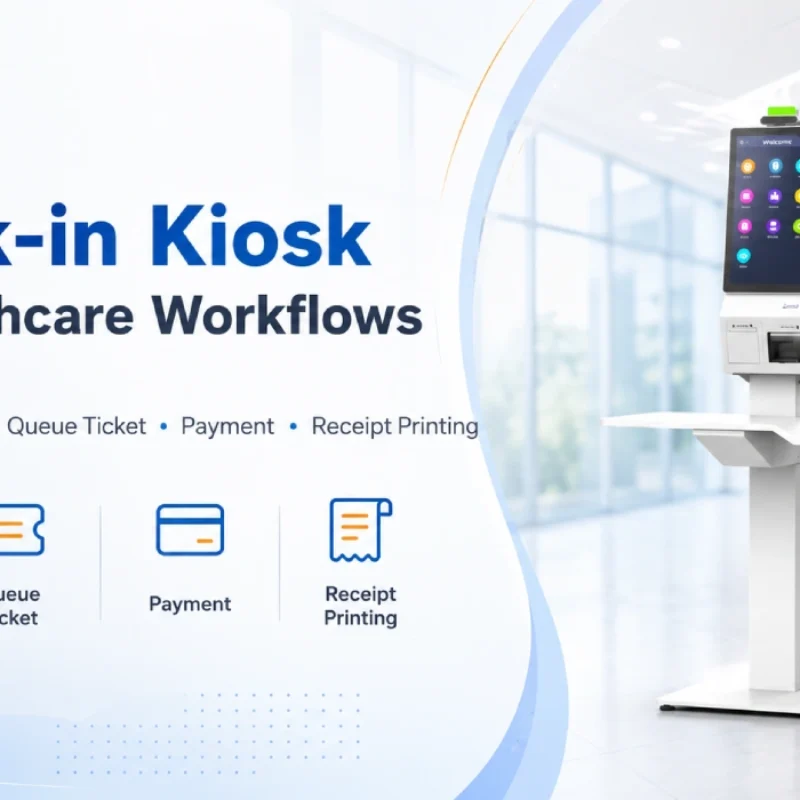
Check-In Kiosk Hardware for Healthcare Self-Service
A check-in kiosk helps healthcare facilities move repetitive front-desk tasks into a guided self-service registration workflow. This article explains how check-in kiosks support appointment confirmation, information entry, queue ticket printing, payment, receipt printing, and optional verification, while also outlining key hardware modules and deployment considerations for hospitals, clinics, and outpatient care centers.
-
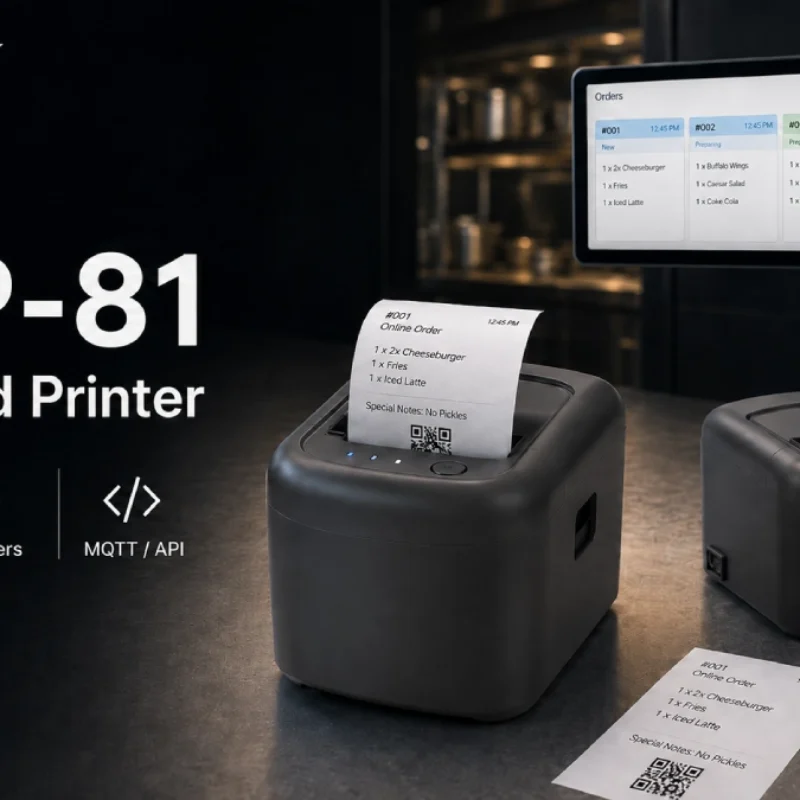
Cloud Printer for Online Food Orders: How Restaurants Keep Delivery Orders Moving
Online food orders are changing how restaurants manage kitchen, packing, and delivery workflows. This article explains how cloud printers and KDS hardware help restaurants print order tickets, improve kitchen visibility, reduce missed orders, and build a more reliable online food order workflow.
-
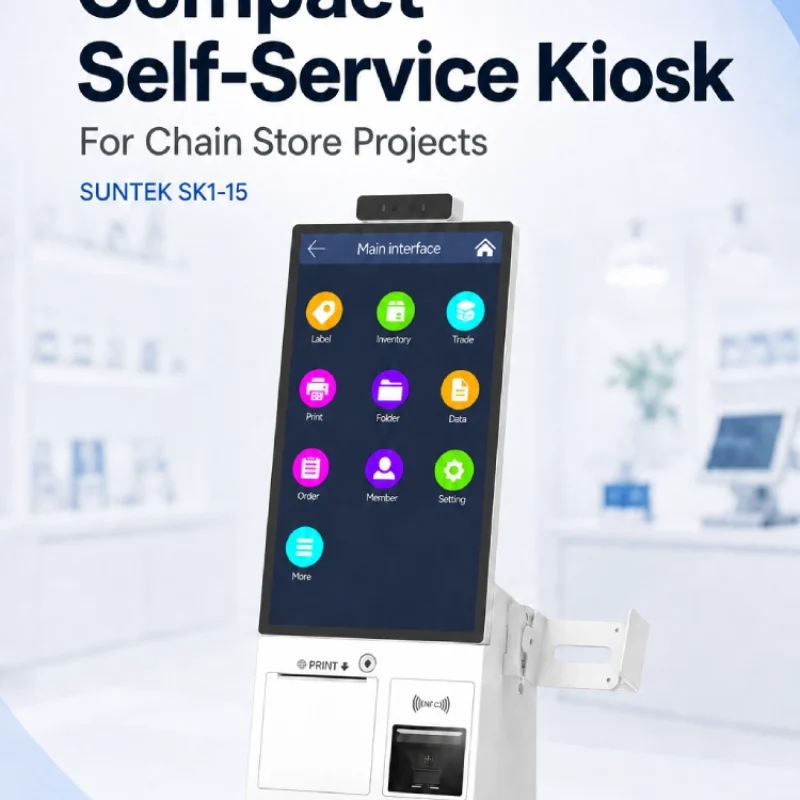
Compact Self-Service Kiosk for Chain Store Projects
SUNTEK SK1-15 is a compact self-service kiosk designed for chain store projects, solution providers, and system integrators. This article explains how SK1-15 supports POS holder installation, SoftPOS-ready NFC configurations, QR code scanning, magnetic stripe card reader options, face camera support, and external fingerprint module integration for front-counter service, payment, identification, and multi-store rollout workflows.
-
Multimodal Biometrics in Access Control After ID4Africa 2026
This article explores how ID4Africa 2026 reflects the growing importance of multimodal biometrics in access control. It explains why face recognition, fingerprint verification, and palm vein recognition are becoming more relevant for offices, hospitals, schools, government buildings, and secure indoor areas, with SUNTEK FL5 as a hardware example.
-

What NRA Show 2026 Reveals About Restaurant Technology Trends
As NRA Show 2026 opens in Chicago, restaurant operators are paying closer attention to practical technology that improves ordering, payment, kitchen workflows and device management. From SUNTEK’s hardware manufacturer perspective, the key trend is clear: restaurant digitalization is moving from isolated software tools to connected hardware systems, including POS terminals, self-service kiosks, cloud printers, SoftPOS-ready devices and remote management platforms.
-
How to Choose a Self-Service Kiosk: SK1 vs SK1-15 vs SK5
Compare SUNTEK SK1, SK1-15, and SK5 self-service kiosks by installation type, SoftPOS support, information kiosk use, payment, printing, scanning, and project scenarios.