
How AI Box Expands Facial Recognition Terminal Performance and Scenario Support
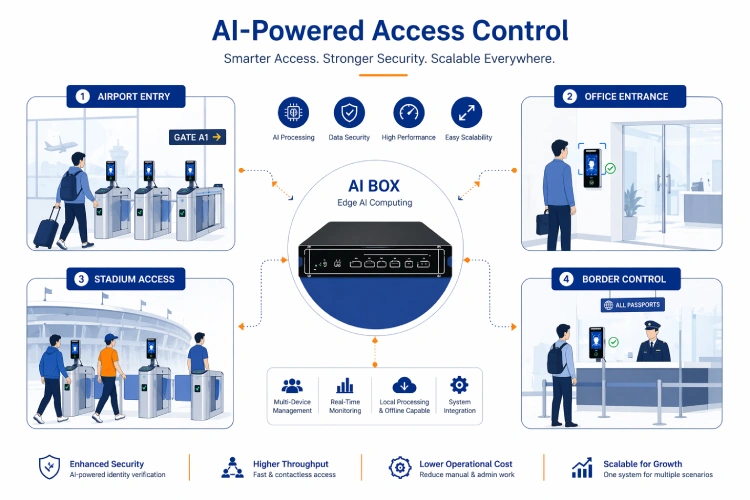
Facial recognition access control is widely used across modern entry scenarios, including enterprise entrances, transportation hubs, and large-scale public venues.
Modern deployments often combinefacial recognition terminals with edge AI box to improve system performance and scalability.
As these environments become more complex, the challenge is no longer limited to identity verification. Instead, systems must handle peak traffic, coordinate multiple entry points, and maintain consistent performance under varying conditions.
In many real-world deployments, these requirements are already visible in high-traffic environments such as airports, large venues, and controlled border entry points, where efficiency and stability are critical.
With the introduction of AI and edge computing, access control systems are evolving from isolated recognition devices into integrated entry management platforms designed to meet these demands.
Key Takeaways
- Facial recognition is evolving from identification toward entry management
- AI improves throughput and stability in high-traffic environments
- Edge AI reduces latency and dependence on centralized processing
- AI boxes provide a practical upgrade path without full hardware replacement
- Terminal and AI box pairing is becoming a scalable deployment model
Context: Why Access Control Is Changing
- Peak-time congestion is increasing across entry points
- Multi-factor verification (face, QR, visitor) is becoming common
- Demand for automation and efficiency continues to rise
- Multiple devices and systems need to operate together
Traditional single-device access control is increasingly difficult to scale in these environments.
Where AI and Facial Recognition Are Scaling in Real Entry Scenarios
Across global markets, the most relevant question is no longer whether facial recognition will be adopted, but where it is already being deployed at scale in high-frequency entry scenarios.
In Asia-Pacific, large-scale implementations are already visible in transportation infrastructure, where facial recognition is used to streamline passenger processing and reduce manual verification steps.
In Europe, border control is becoming a key driver. For example, the
EU Entry/Exit System (EES)
introduces biometric identity verification, including facial image capture, across multiple entry points to improve efficiency and security.
In the Gulf region, deployments are increasingly focused on high-end entry experiences, integrating facial recognition into smart city infrastructure, tourism, and premium access scenarios.
North America represents a more mature stage, where facial recognition has already been integrated into airport environments, with a focus on improving throughput and optimizing passenger flow.
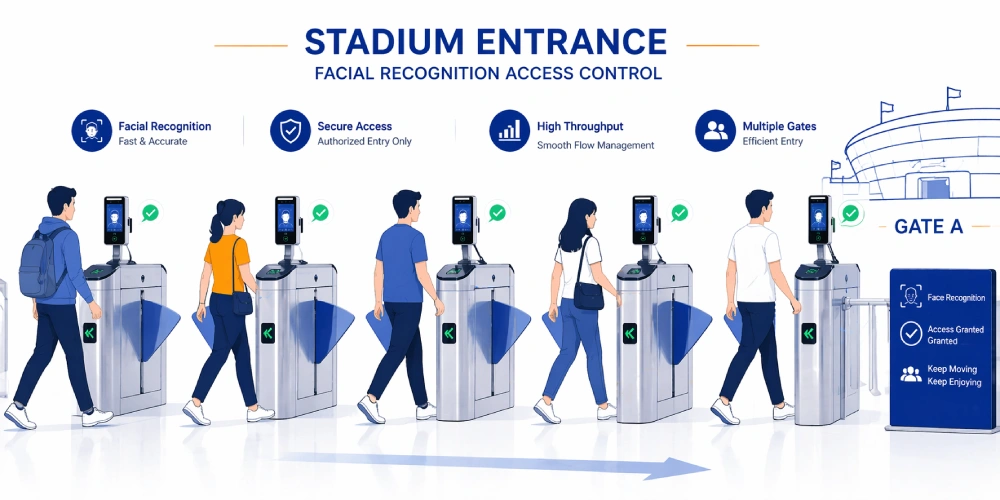
In Latin America, large venues and stadiums are emerging as key scenarios, where facial recognition supports ticketing and access control in high-volume entry environments.
These developments highlight a consistent trend: facial recognition is increasingly deployed as part of broader entry management systems rather than as standalone identification tools.
From Recognition to Entry Management
Access control is no longer limited to identity verification. It now involves managing user flow, coordinating multiple entry points, and making real-time decisions across connected devices.
The Role of AI in Real Deployments
- Improves throughput during peak periods
- Enables coordination across multiple terminals
- Supports local processing and faster response times
How AI Box Enhances Performance and Scalability
In many deployments, performance limitations are caused by system-level constraints rather than individual devices.
Traditionally, improving system performance required replacing existing terminals with higher-spec hardware, increasing both cost and complexity.
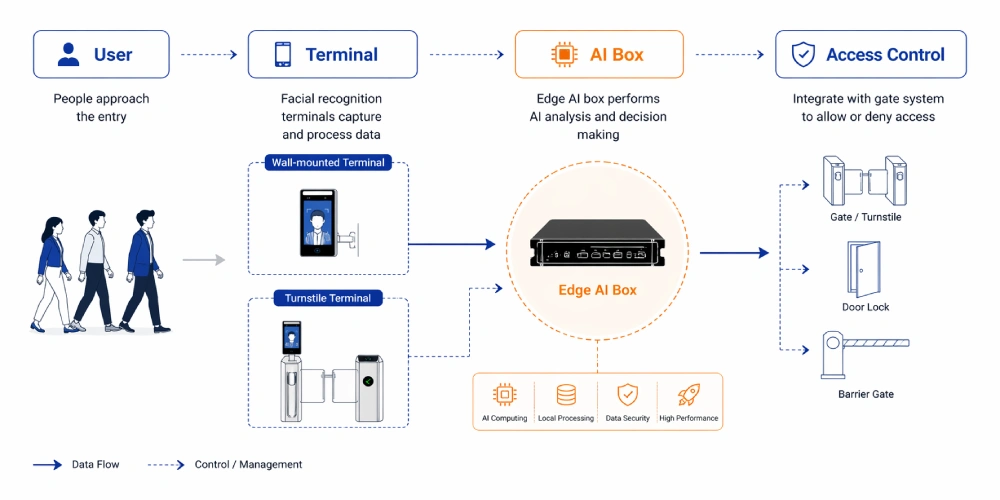
By introducing edge AI computing units such as AI boxes, systems can:
- Offload AI processing from terminals
- Coordinate multiple devices across entry points
- Maintain stable throughput during peak traffic periods
- Reduce reliance on centralized or cloud-based systems
This approach enables performance improvements without requiring full hardware replacement, making upgrades more flexible and cost-effective.
AI Box Deployment Models
One-to-Many Deployment
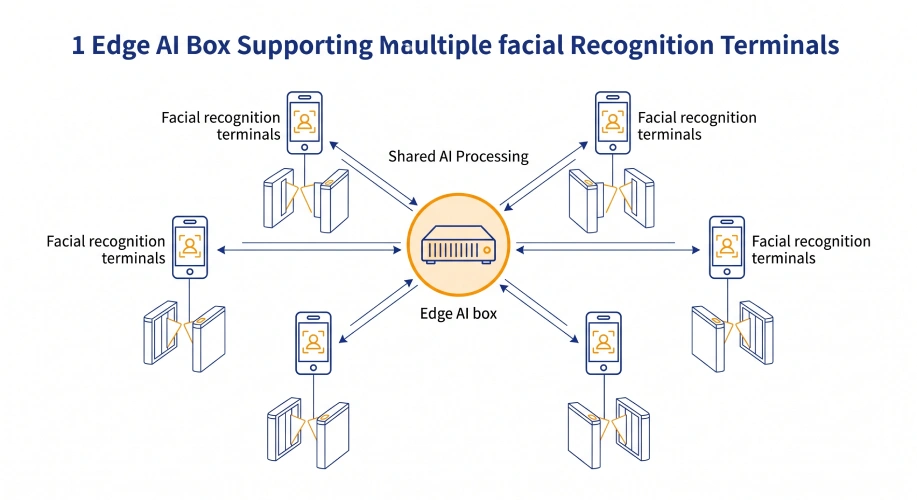
A single AI box can support multiple facial recognition terminals, providing centralized processing and coordination across multiple entry points.
- Enterprise entrances
- Campus access
- Turnstile systems
Distributed Deployment
In high-traffic environments, multiple AI boxes such as high-performance edge AI units are deployed in a distributed architecture to ensure stable performance and avoid bottlenecks during peak periods.
- Stadiums
- Event venues
- Transportation hubs
Single-Point Enhancement
For indoor scenarios, an AI box can be introduced to enhance existing access control terminals without requiring full hardware replacement.
This approach allows systems to scale more efficiently while maintaining flexibility across different deployment environments.
Key Application Scenarios
- Airport entry systems
- Visitor management
- Stadium and event entry
- Border control
Hardware Perspective
Modern facial recognition access control systems are no longer defined by a single device. Instead, they rely on a combination of front-end terminals and local computing units to achieve stable performance across different scenarios.
Front-End Terminals
Facial recognition terminals are responsible for identity capture and user interaction.
They are typically deployed at entry points such as doors, gates, or access checkpoints.
👉 Different terminal types are designed for:
- indoor secure areas
- standard entry points
- high-traffic environments
👉 (You can explore different facial recognition terminals in the product section)
Edge AI Computing Units
Edge AI boxes act as local processing engines, extending the computing capability of front-end terminals.
They enable:
- faster local processing
- reduced latency
- improved performance in multi-device deployments
👉 Instead of replacing terminals, they enhance system capacity.
👉 (Learn more about edge AI box solutions and deployment options)
Deployment Logic (Instead of Fixed Combinations)
Rather than fixed hardware pairings, system design typically follows a scalable approach:
- Standard entry scenarios → balanced performance configuration
- High-traffic environments → higher computing capacity required
- Indoor secure areas → compact and efficient deployment
👉 The key is to match processing capability with real-world usage conditions.
Edge AI Boxes
- SA7 edge AI box – standard processing
- SA8 edge AI box – high-performance computing
Conclusion
Facial recognition access control is evolving from isolated devices into system-level intelligent solutions.
By introducing AI boxes as a shared local computing layer, deployments can achieve higher efficiency, better scalability, and more flexible upgrades without replacing existing terminals.
This reflects the broader direction of access control systems: intelligent, distributed, and optimized for real-world operational demands.
相关新闻
-
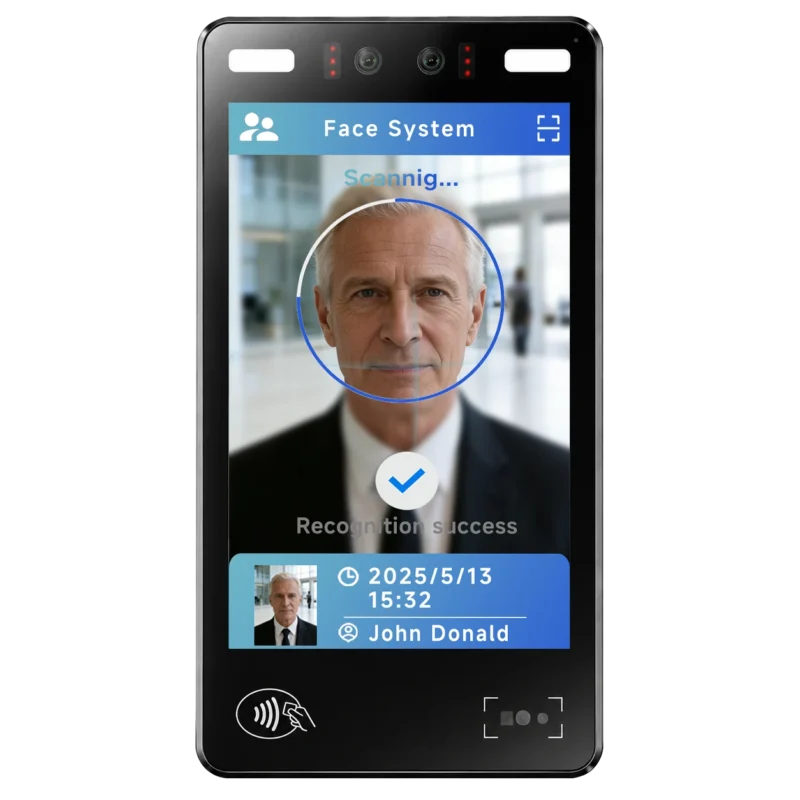
FA10 10.1-Inch AI Facial Recognition Terminal for Smart Access
SUNTEK FA10 10.1-inch AI facial recognition terminal is designed for smart access control, visitor management, attendance, and self-service applicatio…
-
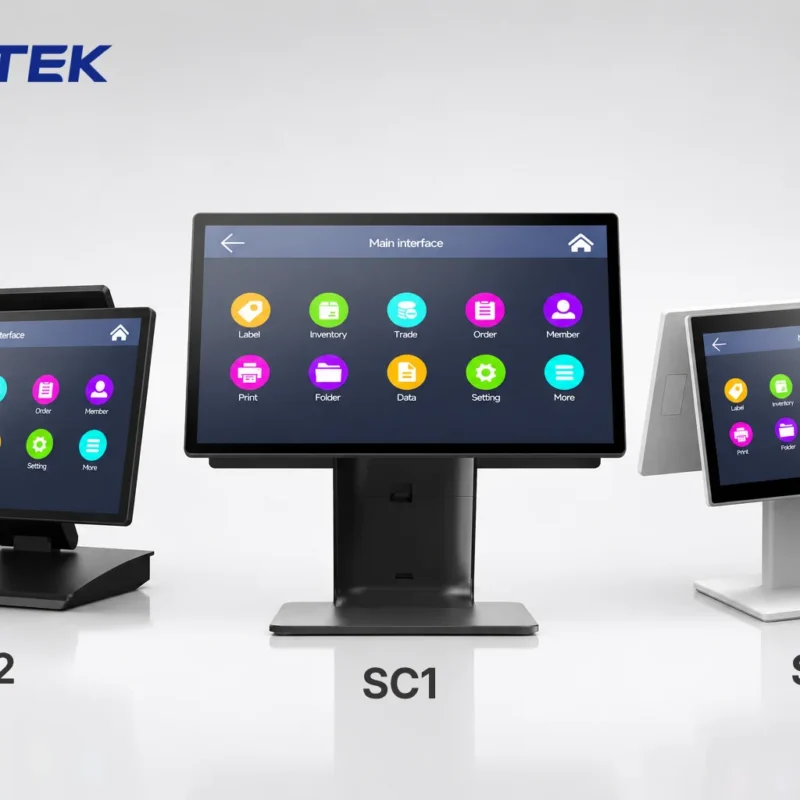
How to Choose the Right POS Terminal: SC1 vs SC2 vs SC6
Selecting the right POS terminal depends on your software requirements, hardware expectations and deployment environment. This guide compares SUNTEK S…
-
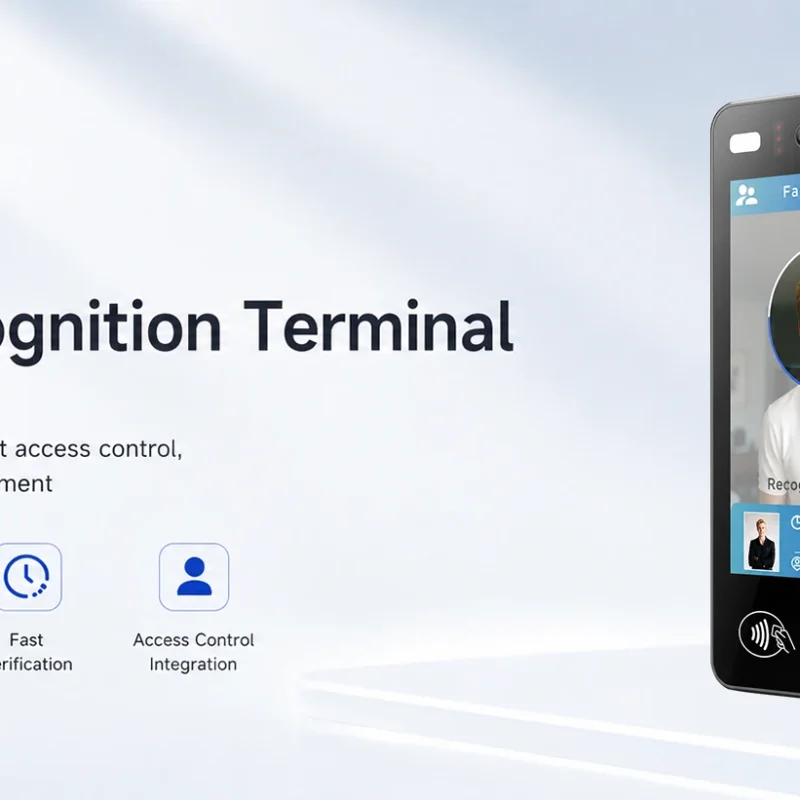
Updated FA8 Facial Recognition Terminal
SUNTEK has updated the FA8 8-inch Android facial recognition terminal with a more refined exterior design, a revised interface configuration, and stro…
-
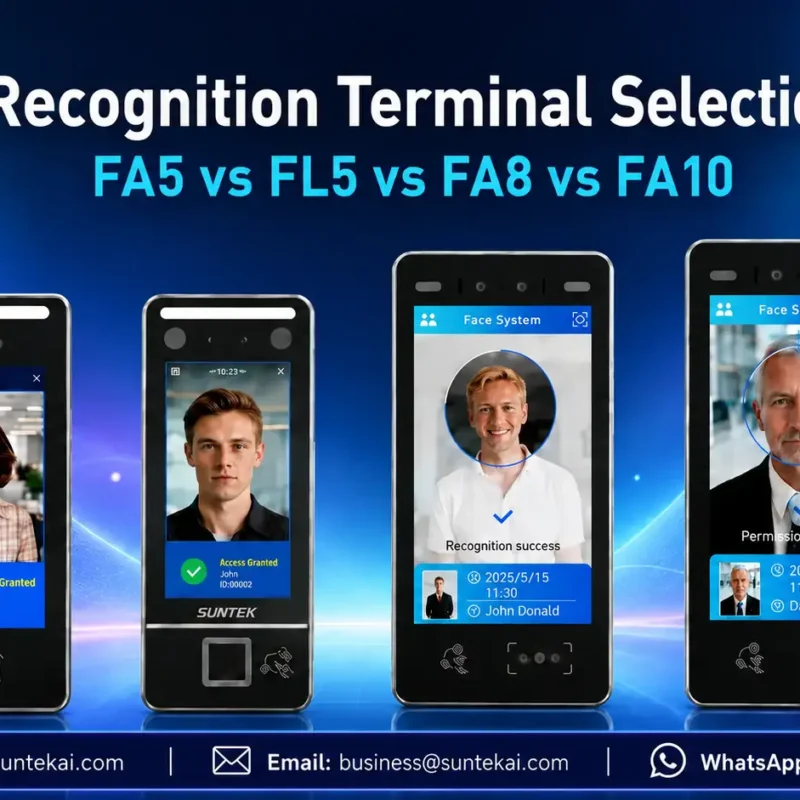
Facial Recognition Terminal Selection Guide: FA5 vs FL5 vs FA8 vs FA10
This guide compares SUNTEK FA5, FL5, FA8, and FA10 to help you choose the right facial recognition terminal for your project. Which SUNTEK Facial Reco…
-
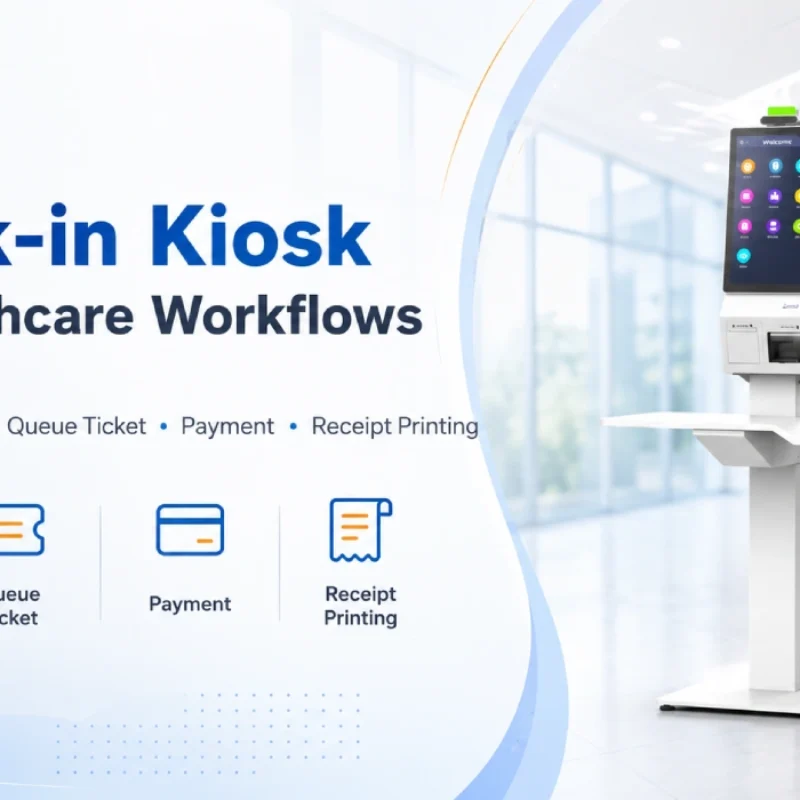
Check-In Kiosk Hardware for Healthcare Self-Service
A check-in kiosk helps healthcare facilities move repetitive front-desk tasks into a guided self-service registration workflow. This article explains how check-in kiosks support appointment confirmation, information entry, queue ticket printing, payment, receipt printing, and optional verification, while also outlining key hardware modules and deployment considerations for hospitals, clinics, and outpatient care centers.
-
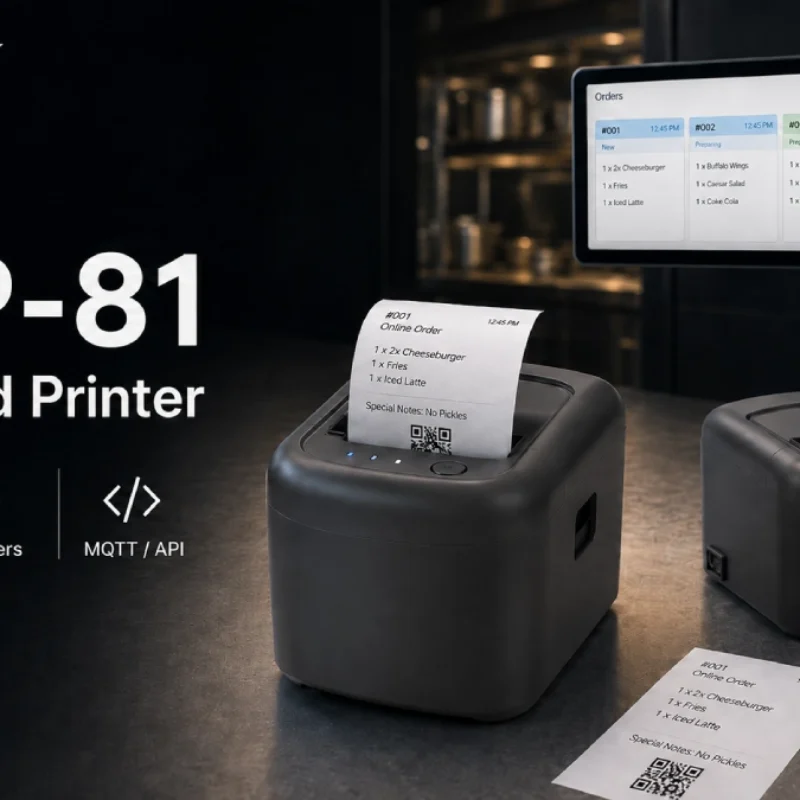
Cloud Printer for Online Food Orders: How Restaurants Keep Delivery Orders Moving
Online food orders are changing how restaurants manage kitchen, packing, and delivery workflows. This article explains how cloud printers and KDS hardware help restaurants print order tickets, improve kitchen visibility, reduce missed orders, and build a more reliable online food order workflow.
-
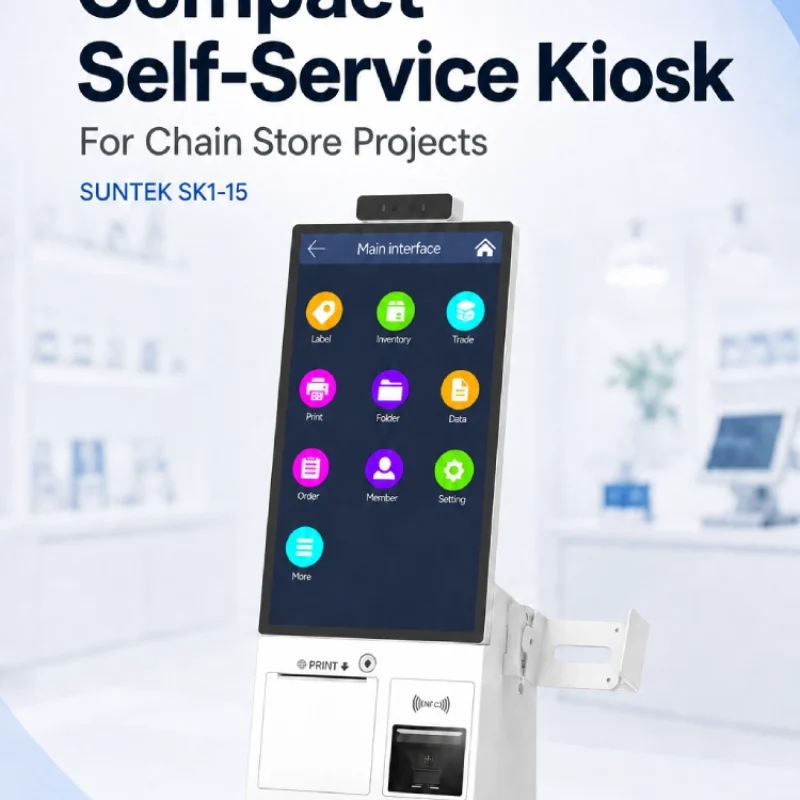
Compact Self-Service Kiosk for Chain Store Projects
SUNTEK SK1-15 is a compact self-service kiosk designed for chain store projects, solution providers, and system integrators. This article explains how SK1-15 supports POS holder installation, SoftPOS-ready NFC configurations, QR code scanning, magnetic stripe card reader options, face camera support, and external fingerprint module integration for front-counter service, payment, identification, and multi-store rollout workflows.
-
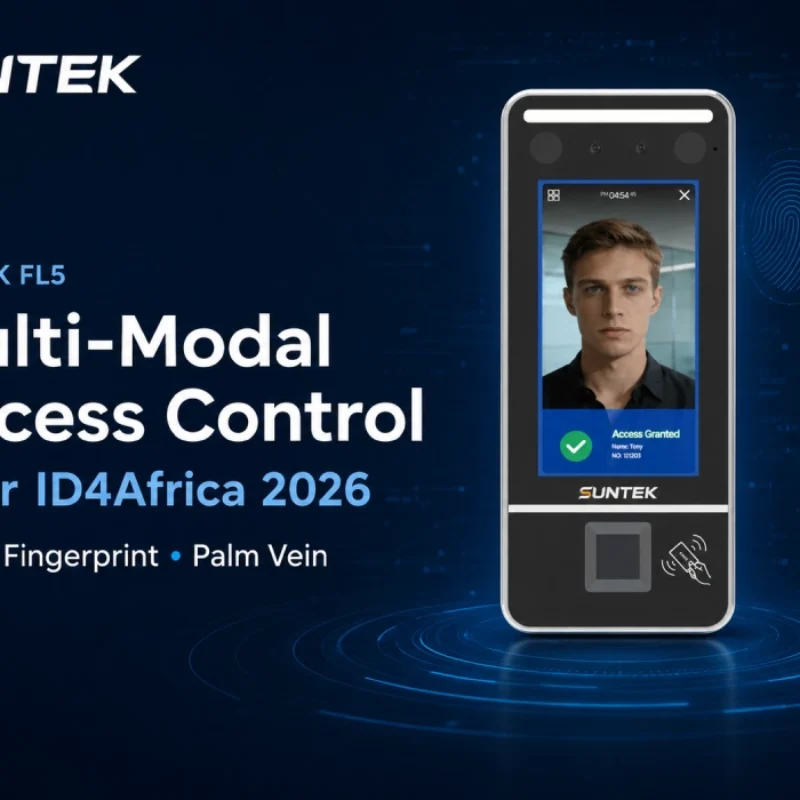
Multimodal Biometrics in Access Control After ID4Africa 2026
This article explores how ID4Africa 2026 reflects the growing importance of multimodal biometrics in access control. It explains why face recognition, fingerprint verification, and palm vein recognition are becoming more relevant for offices, hospitals, schools, government buildings, and secure indoor areas, with SUNTEK FL5 as a hardware example.
-

What NRA Show 2026 Reveals About Restaurant Technology Trends
As NRA Show 2026 opens in Chicago, restaurant operators are paying closer attention to practical technology that improves ordering, payment, kitchen workflows and device management. From SUNTEK’s hardware manufacturer perspective, the key trend is clear: restaurant digitalization is moving from isolated software tools to connected hardware systems, including POS terminals, self-service kiosks, cloud printers, SoftPOS-ready devices and remote management platforms.
-
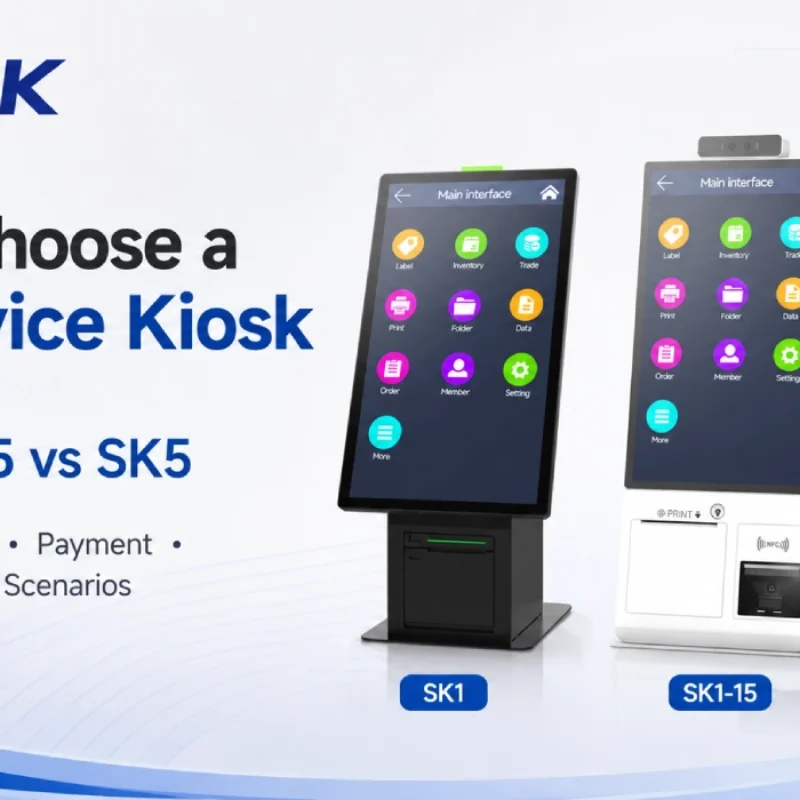
How to Choose a Self-Service Kiosk: SK1 vs SK1-15 vs SK5
Compare SUNTEK SK1, SK1-15, and SK5 self-service kiosks by installation type, SoftPOS support, information kiosk use, payment, printing, scanning, and project scenarios.