
From Chinashop to Retail Evolution: How Hardware Vendors Adapt to Scenario-Driven and Ecosystem-Based Transformation
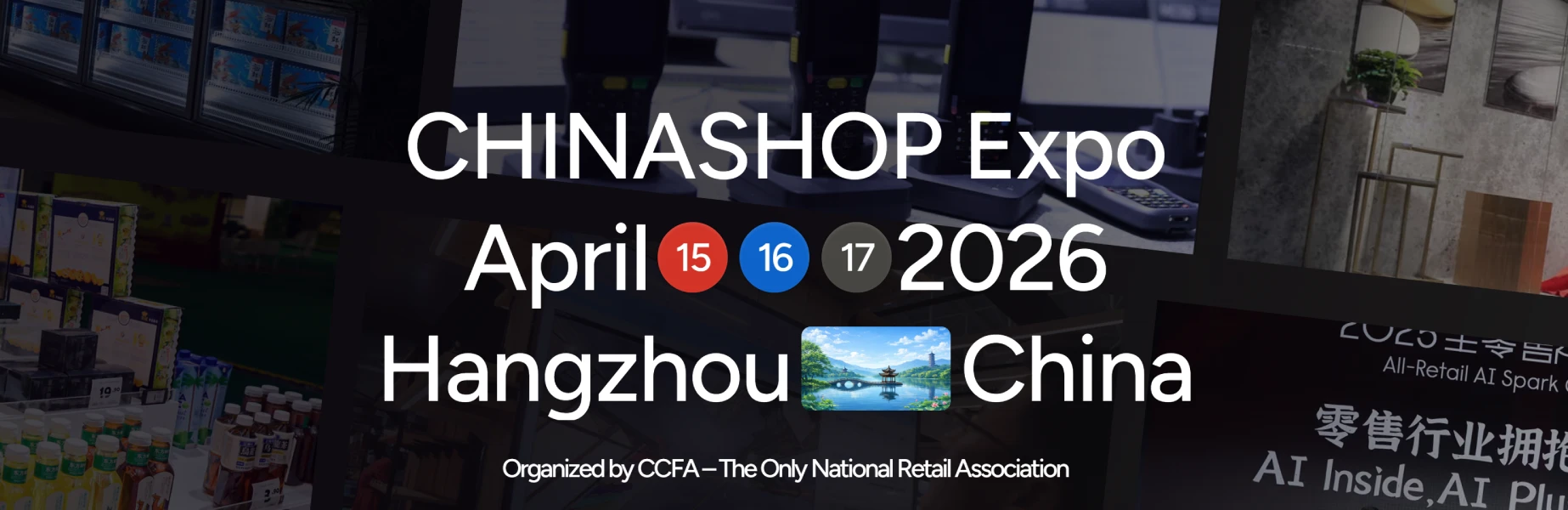
Chinashop, founded in 1999, has more than 25 years of history and remains one of the most influential retail trade fairs in China and across Asia.
More importantly, it highlights how retail hardware solutions are evolving, not just in terms of products, but in how they fit into broader retail systems.
👉 It reflects how retail technology and business models are changing over time.
What Chinashop makes clear is:
👉 The industry is shifting from selling devices to building capabilities
👉 Competition is moving from individual products to scenario and ecosystem structures
This is the basis for understanding the changes discussed below.
Direct Answer
This article is not a recap of the exhibition. It is an analysis based on the changes reflected by Chinashop and what they mean for hardware vendors.
The key shift is:
👉 Retail hardware solutions are moving from device-driven deployment to scenario-driven structure.
This leads to several direct outcomes:
- Retail technology is moving from standalone devices to scenario-based systems, including self-service kiosk solutions designed for integrated retail workflows
- Entry points are becoming unified, while hardware standards remain fragmented, increasing integration cost
- AI is now a baseline capability, but its value depends on stable execution at the device level
- Hardware vendors are moving from product suppliers to system capability providers within retail hardware solutions
Future Outlook
Based on the direction shown by Chinashop, the next phase of retail hardware solutions over the next 3–5 years can be outlined clearly:
1. Single-product-driven vendors will be pushed out of core projects
(This reflects a failure of the traditional model)
Vendors focused only on individual products will face shrinking opportunities. This is because:
- Customers are no longer buying devices, but outcomes
- Large clients require long-term system stability
- Integrators need standardized and reusable hardware
👉 The key shift is that devices must operate continuously within a system, not just be delivered.
Vendors without this capability will find it difficult to enter major projects.
2. Competition will move toward standard definition
(Control comes from setting rules)
The lack of unified standards means:
👉 The industry is still in a stage where standards are being formed.
Vendors that can define:
- Interface structures
- SDK frameworks
- Product segmentation based on scenarios
will be able to:
- Become preferred choices for system integrators
- Fit into platform-level infrastructure
- Increase switching cost for clients
👉 The focus is no longer product performance, but control over structure and compatibility.
3. Scenario-based product planning will define competitiveness
(From product thinking to scenario thinking)
Future product strategies will not be based on:
- Making a stronger POS
- Making a cheaper kiosk
Instead, they will focus on:
👉 Defining products based on specific use cases, such as:
- High-traffic entry points (identification + verification + access)
- Self-service processes (ordering + payment + interaction)
- Front-end operations (POS + management + data entry)
Devices are only part of the system. What matters is:
👉 The role of the device and how it works within the overall structure.
👉 This shift is especially evident in POS system hardware, where devices are no longer isolated tools but part of a unified operational structure.
4. The role of hardware vendors is changing at a structural level
(From suppliers to system-level participants)
Hardware vendors are no longer just suppliers. They are becoming:
- Providers of scenario-based capabilities
- Participants in interface and standard definition
- Part of a larger ecosystem structure
👉 Hardware is now part of how systems operate, not just what gets delivered.
5. Opportunities still exist, but entry requirements are higher
(The path has changed)
The market is not closed, but the way to enter has changed.
It is no longer about:
- Building a product
But about:
- Having structured capabilities
- Being able to integrate into existing systems
For new and growing vendors:
- Clear scenario positioning
- Standardized structure
- Consistent product and interface design
are now basic requirements.
Final Insight:
The industry is no longer competing on how many products are offered, but on:
Who defines the standards will shape the ecosystem;
Who builds scenario capability will secure long-term position.
Conclusion
What Chinashop reflects is not just a shift in technology, but a change in how retail hardware solutions are positioned within the industry.
👉 The industry is moving from single product delivery to structured capability
👉 The focus is shifting from products to scenario and ecosystem structure
Vendors that can build standardized systems and adapt to different scenarios will gain a clear advantage.
For vendors still focused on single-product logic, this shift is not a growth opportunity, but a dividing line.
Author
Taya
Marketing Director, SUNTEK
With 6 years of experience in market analysis and industry research, the focus has been on retail digitalization and the evolution of commercial terminal technologies, particularly in POS and self-service systems.
Work in this area centers on tracking the transition from device-driven models to scenario-based structures, with attention to:
- Hardware product planning and positioning
- Scenario-based deployment strategies
- Industry standardization and ecosystem development
Key areas of observation include:
- The convergence of retail entry points
- The role of hardware in system architecture
- The shift toward standardized and scalable terminal solutions
Focused on translating industry shifts into structured insights that help hardware vendors navigate long-term changes in the retail landscape.
相关新闻
-
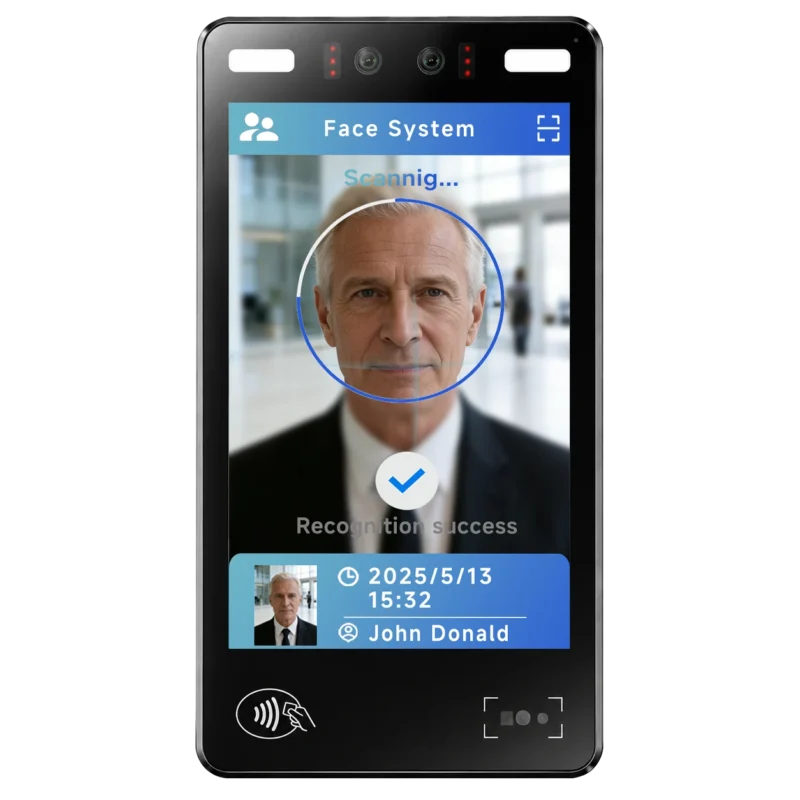
FA10 10.1-Inch AI Facial Recognition Terminal for Smart Access
SUNTEK FA10 10.1-inch AI facial recognition terminal is designed for smart access control, visitor management, attendance, and self-service applicatio…
-
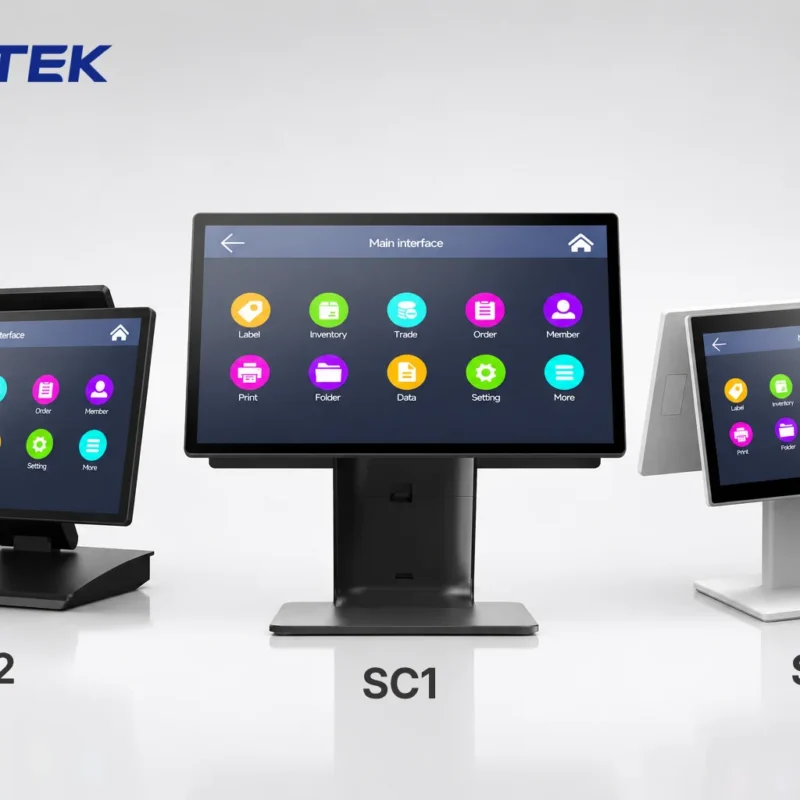
How to Choose the Right POS Terminal: SC1 vs SC2 vs SC6
Selecting the right POS terminal depends on your software requirements, hardware expectations and deployment environment. This guide compares SUNTEK S…
-
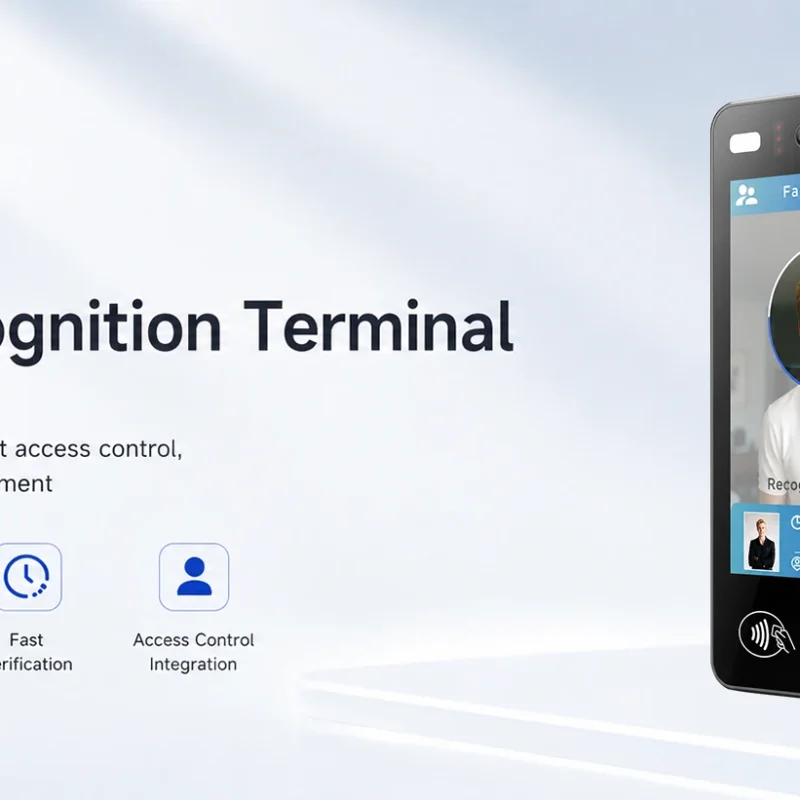
Updated FA8 Facial Recognition Terminal
SUNTEK has updated the FA8 8-inch Android facial recognition terminal with a more refined exterior design, a revised interface configuration, and stro…
-
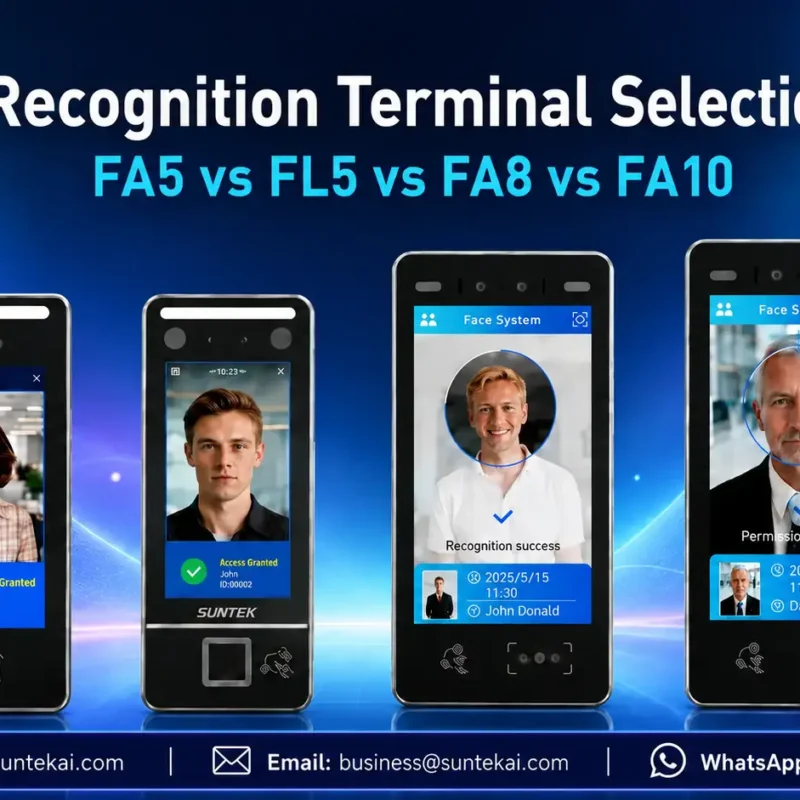
Facial Recognition Terminal Selection Guide: FA5 vs FL5 vs FA8 vs FA10
This guide compares SUNTEK FA5, FL5, FA8, and FA10 to help you choose the right facial recognition terminal for your project. Which SUNTEK Facial Reco…
-
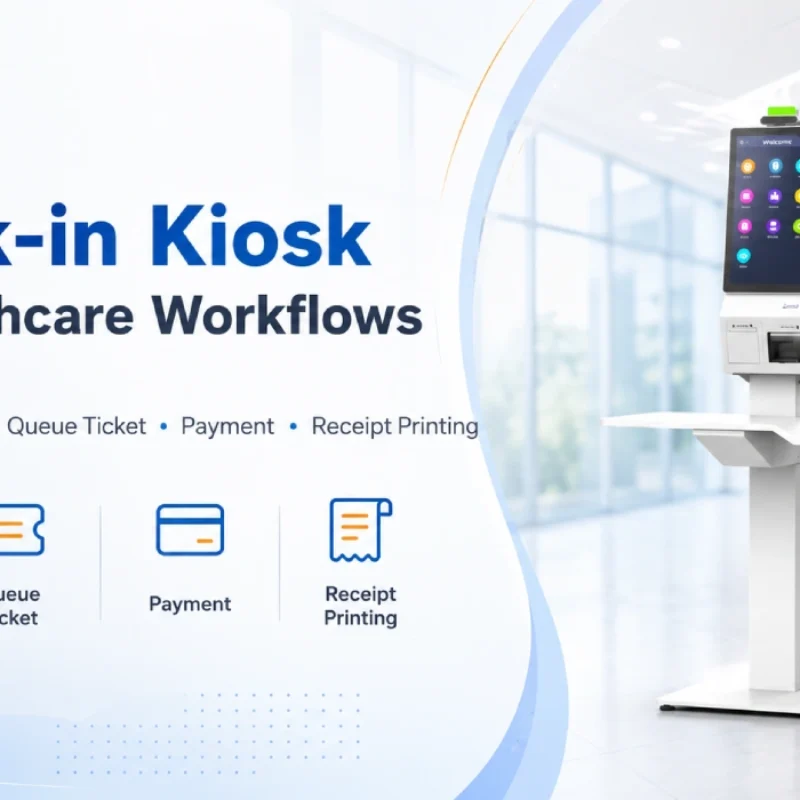
Check-In Kiosk Hardware for Healthcare Self-Service
A check-in kiosk helps healthcare facilities move repetitive front-desk tasks into a guided self-service registration workflow. This article explains how check-in kiosks support appointment confirmation, information entry, queue ticket printing, payment, receipt printing, and optional verification, while also outlining key hardware modules and deployment considerations for hospitals, clinics, and outpatient care centers.
-
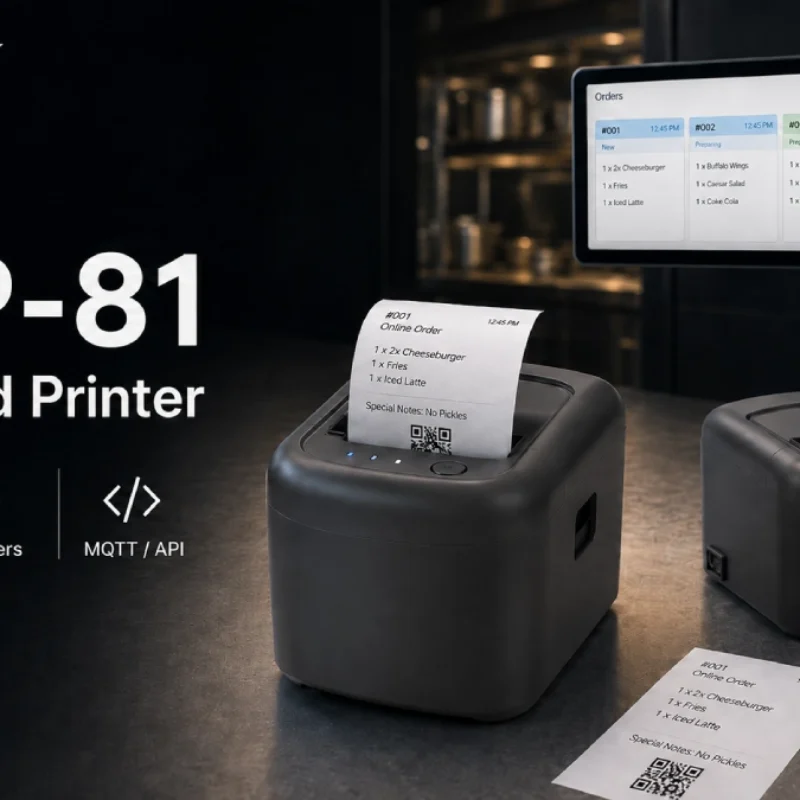
Cloud Printer for Online Food Orders: How Restaurants Keep Delivery Orders Moving
Online food orders are changing how restaurants manage kitchen, packing, and delivery workflows. This article explains how cloud printers and KDS hardware help restaurants print order tickets, improve kitchen visibility, reduce missed orders, and build a more reliable online food order workflow.
-
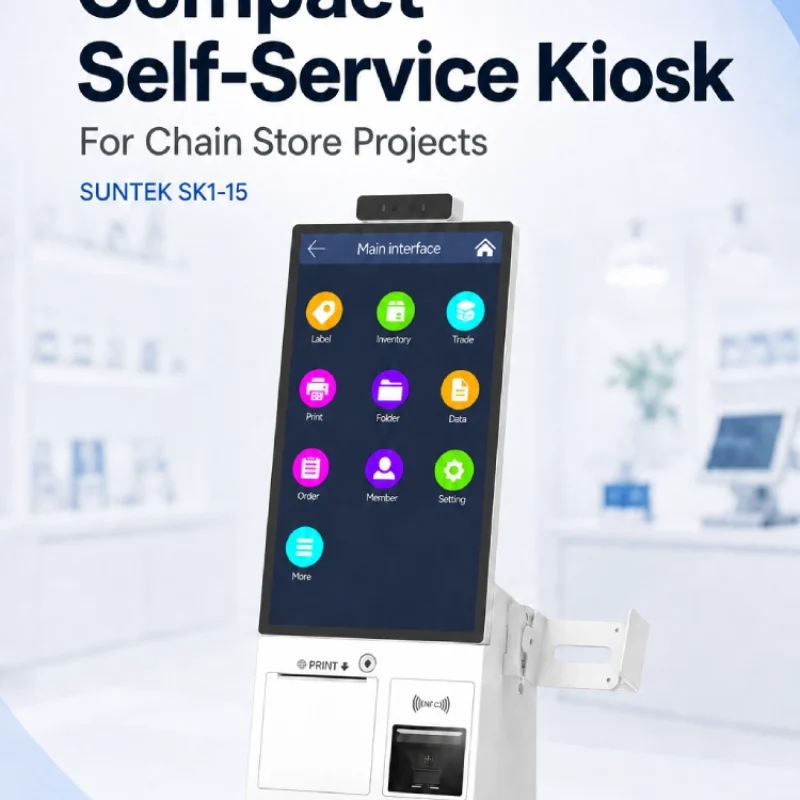
Compact Self-Service Kiosk for Chain Store Projects
SUNTEK SK1-15 is a compact self-service kiosk designed for chain store projects, solution providers, and system integrators. This article explains how SK1-15 supports POS holder installation, SoftPOS-ready NFC configurations, QR code scanning, magnetic stripe card reader options, face camera support, and external fingerprint module integration for front-counter service, payment, identification, and multi-store rollout workflows.
-
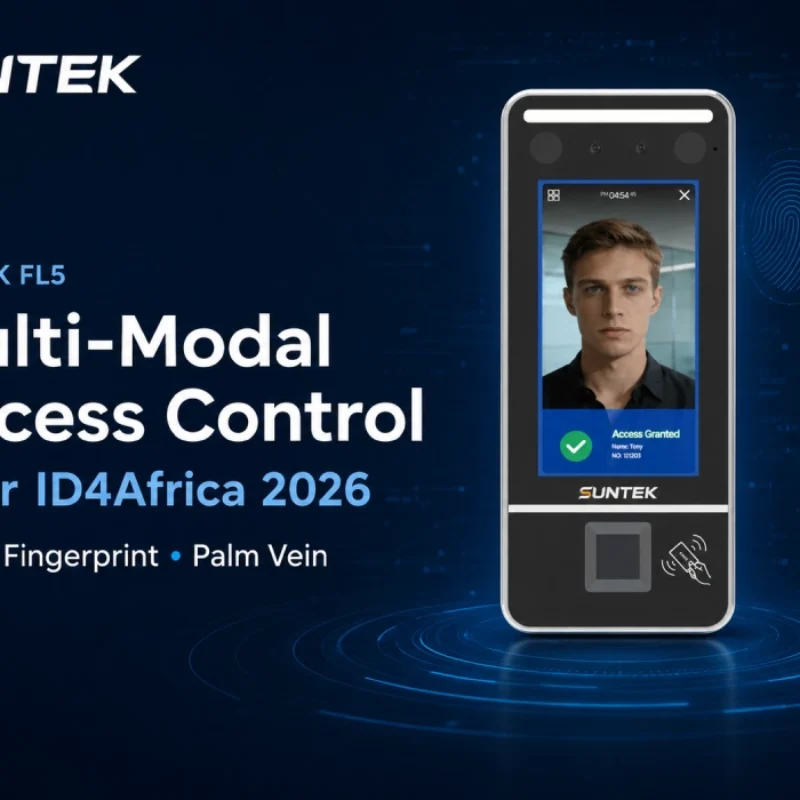
Multimodal Biometrics in Access Control After ID4Africa 2026
This article explores how ID4Africa 2026 reflects the growing importance of multimodal biometrics in access control. It explains why face recognition, fingerprint verification, and palm vein recognition are becoming more relevant for offices, hospitals, schools, government buildings, and secure indoor areas, with SUNTEK FL5 as a hardware example.
-
What NRA Show 2026 Reveals About Restaurant Technology Trends
As NRA Show 2026 opens in Chicago, restaurant operators are paying closer attention to practical technology that improves ordering, payment, kitchen workflows and device management. From SUNTEK’s hardware manufacturer perspective, the key trend is clear: restaurant digitalization is moving from isolated software tools to connected hardware systems, including POS terminals, self-service kiosks, cloud printers, SoftPOS-ready devices and remote management platforms.
-
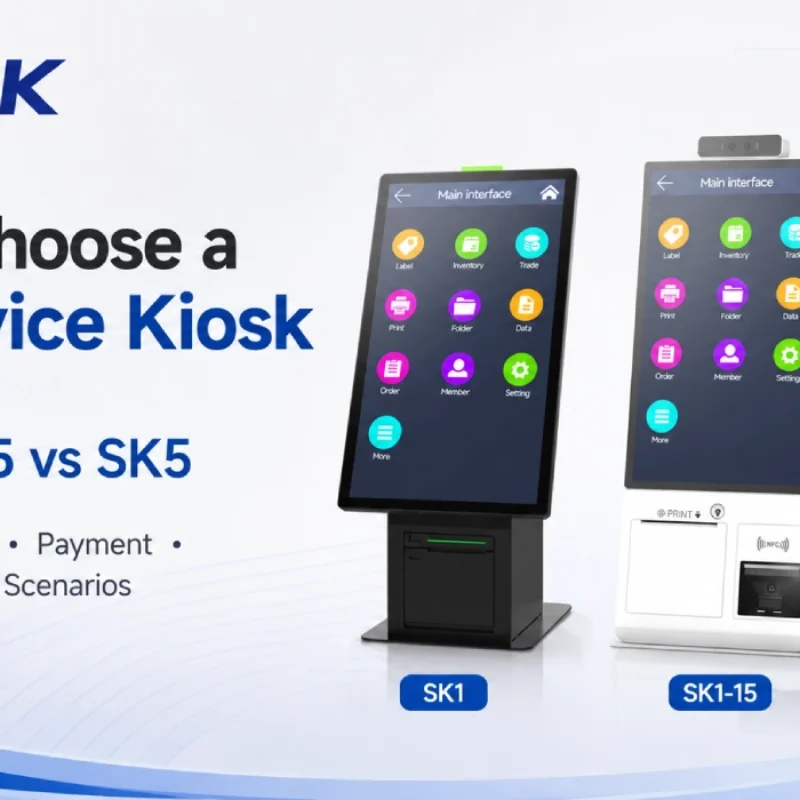
How to Choose a Self-Service Kiosk: SK1 vs SK1-15 vs SK5
Compare SUNTEK SK1, SK1-15, and SK5 self-service kiosks by installation type, SoftPOS support, information kiosk use, payment, printing, scanning, and project scenarios.