
Facial Recognition Ticketing System for Events and Ticket Verification
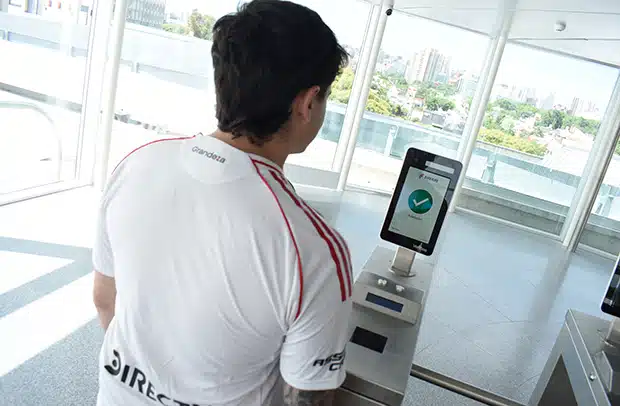
Entry management is no longer just about validating tickets. In high-traffic environments, it has become a broader operational challenge that affects throughput, security, and the overall visitor experience.
As large-scale events continue to grow in size and complexity, traditional ticketing methods such as QR code scanning and manual checks are increasingly exposed to bottlenecks during peak entry periods. These methods were designed for basic validation, not for handling dense, time-sensitive crowd flow at scale.
A facial recognition ticketing system changes this logic by shifting the process from ticket-based validation to identity-based verification.
By linking each ticket to a specific individual and automating the verification process, organizers can reduce friction at the entrance, strengthen access control, and build a more continuous and manageable entry workflow.
How a Facial Recognition Ticketing System Works
A facial recognition ticketing system connects ticket data, identity verification, and access control into one automated workflow.
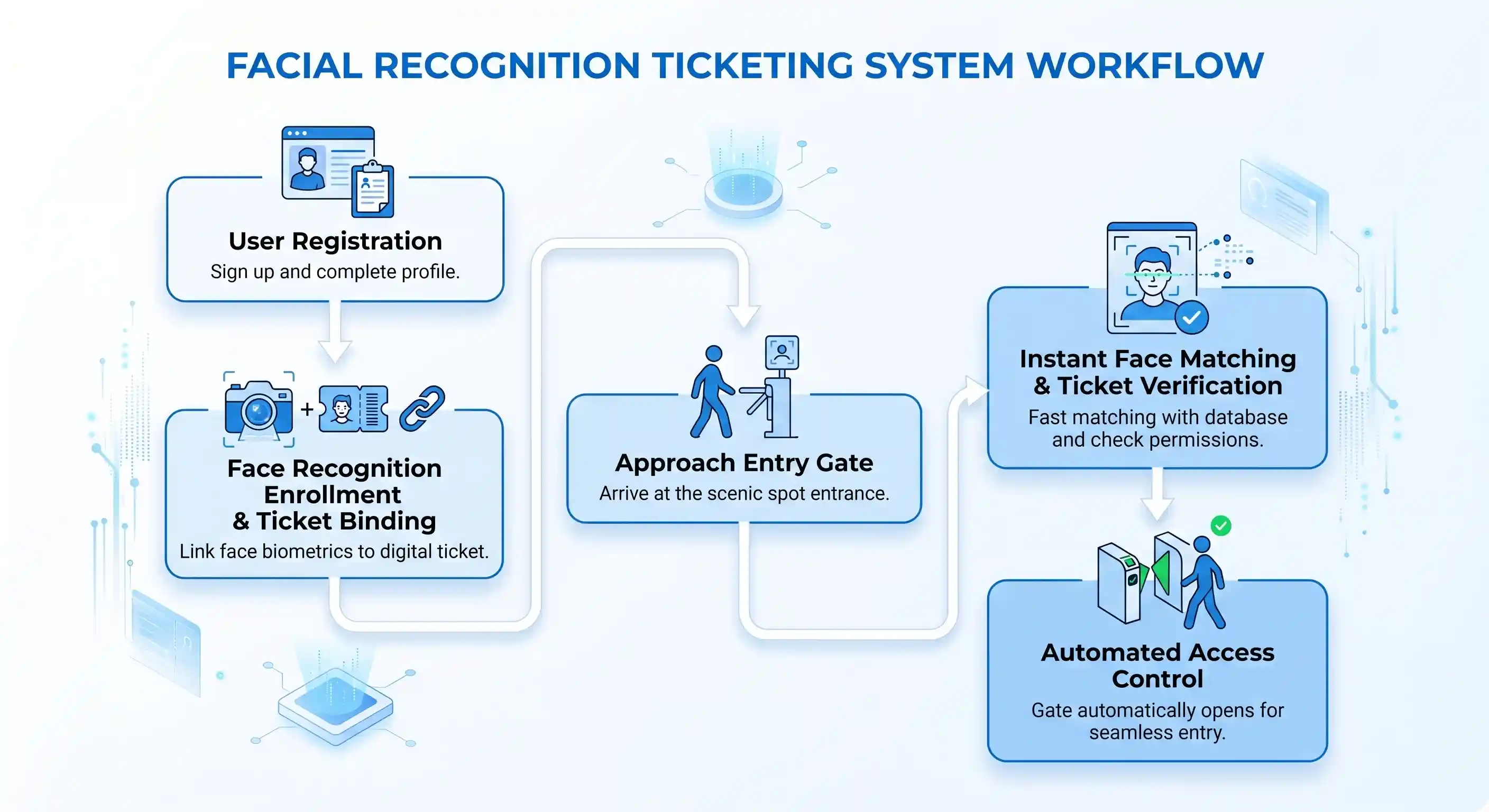
Before entry, ticket information is linked to the user’s identity. This may include a facial image together with identity credentials collected during registration. Once the ticket is bound to a specific person, the risk of transfer, duplication, or misuse is significantly reduced.
At the entrance, the system captures facial data in real time and matches it against the registered record. At the same time, it verifies ticket status, including validity, usage, access rights, and time restrictions.
Once verification is completed, the connected access control device, such as a gate or turnstile, can be triggered automatically without manual intervention.
This changes the traditional stop-and-scan process into a more continuous entry model, where identity verification and ticket validation happen together, helping improve throughput and reduce congestion.
Attractions and Theme Parks
In attractions and theme parks, visitor flow is often concentrated within a short period after opening, which creates obvious pressure at entry points.
With traditional QR-based validation, each visitor needs to stop, present a code, and wait for the system response. This stop-and-go process can slow down throughput and make queues build quickly during busy periods.
In addition, many visitor groups include children and elderly users, who may need more time to complete scanning successfully. This makes entry efficiency more difficult to maintain when traffic rises.
A facial recognition ticketing system supports a smoother verification process by allowing ticket validation to happen as the visitor approaches the entrance. This helps convert fragmented checks into a more continuous flow, improving throughput and making crowd movement more stable.
It also reduces the need for repeated user interaction, which is especially helpful for family-oriented and high-volume leisure environments. In re-entry scenarios, identity-based verification further improves convenience by removing the need to repeatedly present a ticket or phone screen.
Concerts, Live Events, and Sports Venues
Concerts, live events, and sports venues usually face two major operational pressures: ticket authenticity and highly concentrated arrival periods.
When demand is high, ticket sharing, transfer, resale, and duplicate use become harder to control if the validation method is based only on a QR code. Because QR codes are not naturally tied to identity, they are easier to circulate beyond the original buyer.
At the same time, most attendees tend to arrive within a relatively short window before the event begins. This creates sudden pressure on entrances, staff, and equipment.
A facial recognition ticket validation system for stadiums helps address these issues by binding each ticket to a specific person and verifying identity in real time at the point of entry. This improves control over ticket use while helping maintain more stable throughput during peak periods.
Exhibitions and Multi-Day Events
Exhibitions and multi-day events usually involve different ticket types and participant roles, such as visitors, staff, exhibitors, media personnel, and VIP guests.
Managing these different permissions manually can be inefficient and error-prone, especially during opening hours when multiple groups arrive at the same time.
Facial recognition systems simplify this process by linking identity directly to access permissions. Once a person is verified, the system can automatically determine whether access should be granted based on their role and authorization level.
This is particularly useful in multi-day and multi-entry environments, where repeated manual verification would otherwise create unnecessary operational workload.
High-Frequency Entry and Re-Entry Scenarios
In environments where users enter and exit frequently, traditional ticket checking becomes increasingly inefficient over time.
Repeated QR scanning adds friction to every entry attempt and can slow down movement, especially when traffic is continuous rather than concentrated in one single peak.
Facial recognition supports persistent identity-based access, allowing users to re-enter without repeated interaction. There is no need to repeatedly open a ticket page, present a printed code, or stop for manual inspection.
This makes facial recognition especially valuable in high-frequency entry scenarios where convenience, speed, and operational consistency all matter.
Why Entry Systems Are Moving Toward Identity-Based Verification
Across high-traffic venues and event environments, entry management is gradually moving from ticket-only validation toward identity-linked verification.
This shift reflects a practical operational need. As traffic volume, access rules, and security requirements become more demanding, organizers need entry systems that do more than confirm whether a code is valid. They need systems that can connect identity, permissions, and access control in one process.
This is also why facial recognition is gaining more attention in event and venue access planning. It is no longer treated only as a verification tool, but as part of a broader entry infrastructure strategy.
For a more specific example in sports access scenarios, you can also read our related article on how facial recognition improves entry efficiency in football clubs.
How to Choose a Scalable Facial Recognition Ticketing System
Choosing a system should be based on actual deployment needs, not only on headline specifications.
Throughput Capacity
The system should remain stable during peak traffic periods. In many event environments, a large percentage of attendees arrive within a limited time window, so throughput is a core requirement.
Recognition Speed and Accuracy
Recognition speed and accuracy directly affect the entry experience. The system should perform reliably in real operating conditions, including movement, changing light, and less-than-ideal face positioning.
Multi-Method Verification
A practical deployment should support both facial recognition and QR code validation. Facial recognition does not always replace QR codes completely. In many projects, a hybrid verification model offers better flexibility and operational resilience.
Environmental Adaptability
The system should be able to operate reliably in different environments, including outdoor light variation, low-light conditions, and changing weather.
System Integration Capability
The terminal should integrate smoothly with:
- Ticketing platforms
- Access control systems
- Turnstiles and entry gates
Without proper integration, even strong hardware performance cannot be fully translated into operational value.
Data Security and GDPR Compliance
Data security is a key consideration in facial recognition applications. In international projects, system design usually needs to align with applicable privacy and data protection requirements, including frameworks such as GDPR.
Typical compliance-oriented practices may include:
- User consent before data collection
- Encrypted storage of biometric data
- Restricted access to sensitive information
- Deletion or anonymization of unnecessary raw image data
- Support for user rights related to data access and deletion
When these principles are properly considered in deployment and system design, facial recognition can be implemented in a more secure and controllable way.
Hardware Considerations for Deployment
In facial recognition ticketing projects, terminal hardware plays an important role in the overall entry experience. Beyond recognition performance, deployment teams usually need to evaluate installation flexibility, environmental adaptability, and the ability to support multiple verification methods.
For projects that require both facial recognition and QR code validation, terminals with dual-verification capability can provide more flexibility across different entry scenarios.
As an example, the FA8 facial recognition terminal supports facial recognition and QR code scanning in one device, with installation options suitable for gates, turnstiles, and other controlled entry points.
- Recognition speed under 0.2 seconds
- Recognition accuracy above 99%
- Facial recognition and QR code verification in one terminal
- Suitable for indoor and outdoor deployment
- Support for integration with turnstiles and access control systems
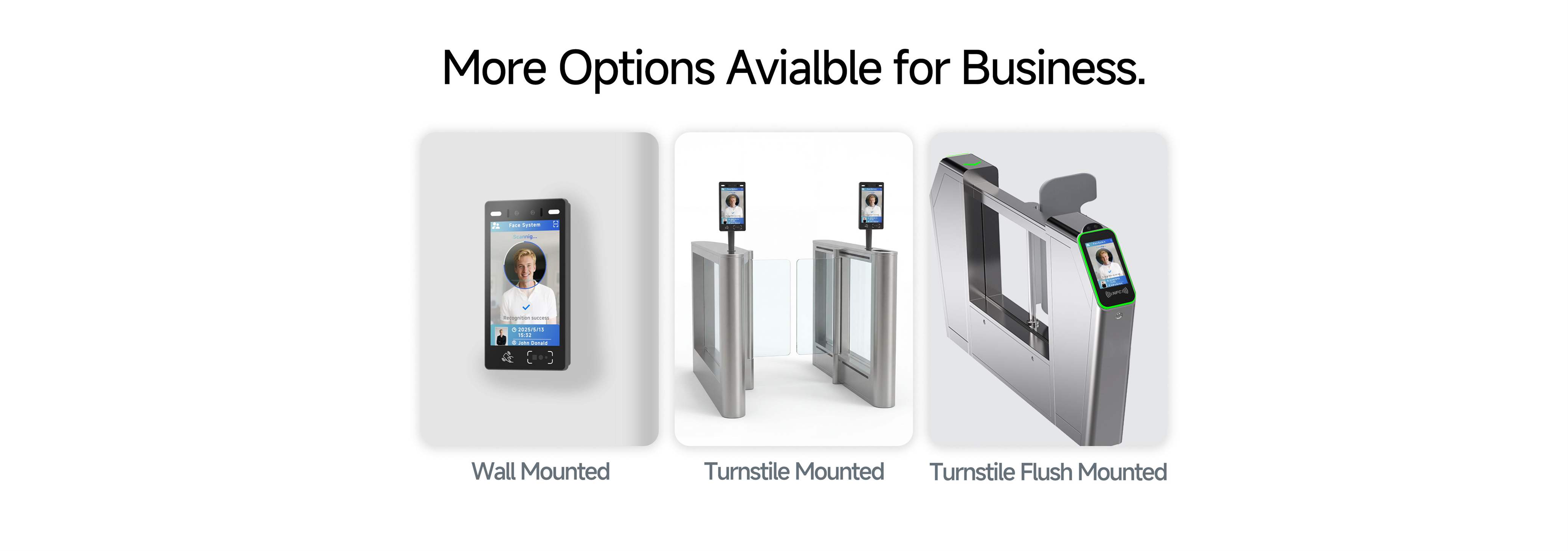
In high-traffic event entrances and similar access scenarios, this type of hardware can help support more stable verification, smoother throughput, and better deployment flexibility.
Operational Value and ROI
From an operational perspective, a facial recognition ticketing system can create value in several areas.
Improved Throughput
Faster verification can help reduce queue pressure and improve entry efficiency during peak periods.
Reduced Manual Workload
Automation can reduce dependence on manual ticket checking and repetitive on-site verification tasks.
Better Revenue Protection
Identity-based verification helps reduce the risk of ticket sharing, duplicate use, and unauthorized entry.
Improved Visitor Experience
A smoother entry process can improve the first-contact experience for attendees and reduce friction before the event begins.
For venue operators and organizers, facial recognition ticketing is not only a device-level upgrade. In many cases, it represents a longer-term investment in more scalable and controllable entry operations.
About SUNTEK
SUNTEK focuses on facial recognition and access control terminals for high-traffic and controlled-entry environments. The product range is designed to support practical deployment needs in scenarios such as event access, venue entry, visitor management, and other identity-based verification applications.
Conclusion
Facial recognition ticketing systems are becoming an increasingly practical option for high-traffic entry management.
By moving from ticket-only validation toward identity-based verification, organizers can improve throughput, strengthen access control, and build a more stable entry process for demanding scenarios.
For events, venues, and multi-entry environments, this is not only about faster access. It is about creating a more scalable approach to modern entry management.
相关新闻
-
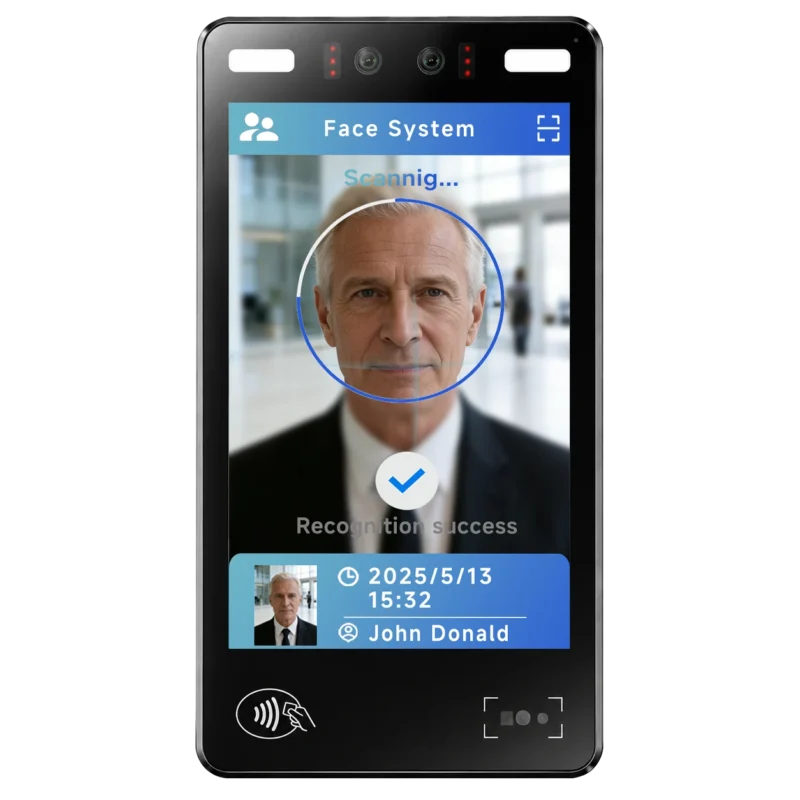
FA10 10.1-Inch AI Facial Recognition Terminal for Smart Access
SUNTEK FA10 10.1-inch AI facial recognition terminal is designed for smart access control, visitor management, attendance, and self-service applicatio…
-
How to Choose the Right POS Terminal: SC1 vs SC2 vs SC6
Selecting the right POS terminal depends on your software requirements, hardware expectations and deployment environment. This guide compares SUNTEK S…
-
Updated FA8 Facial Recognition Terminal
SUNTEK has updated the FA8 8-inch Android facial recognition terminal with a more refined exterior design, a revised interface configuration, and stro…
-
Facial Recognition Terminal Selection Guide: FA5 vs FL5 vs FA8 vs FA10
This guide compares SUNTEK FA5, FL5, FA8, and FA10 to help you choose the right facial recognition terminal for your project. Which SUNTEK Facial Reco…
-
Check-In Kiosk Hardware for Healthcare Self-Service
A check-in kiosk helps healthcare facilities move repetitive front-desk tasks into a guided self-service registration workflow. This article explains how check-in kiosks support appointment confirmation, information entry, queue ticket printing, payment, receipt printing, and optional verification, while also outlining key hardware modules and deployment considerations for hospitals, clinics, and outpatient care centers.
-
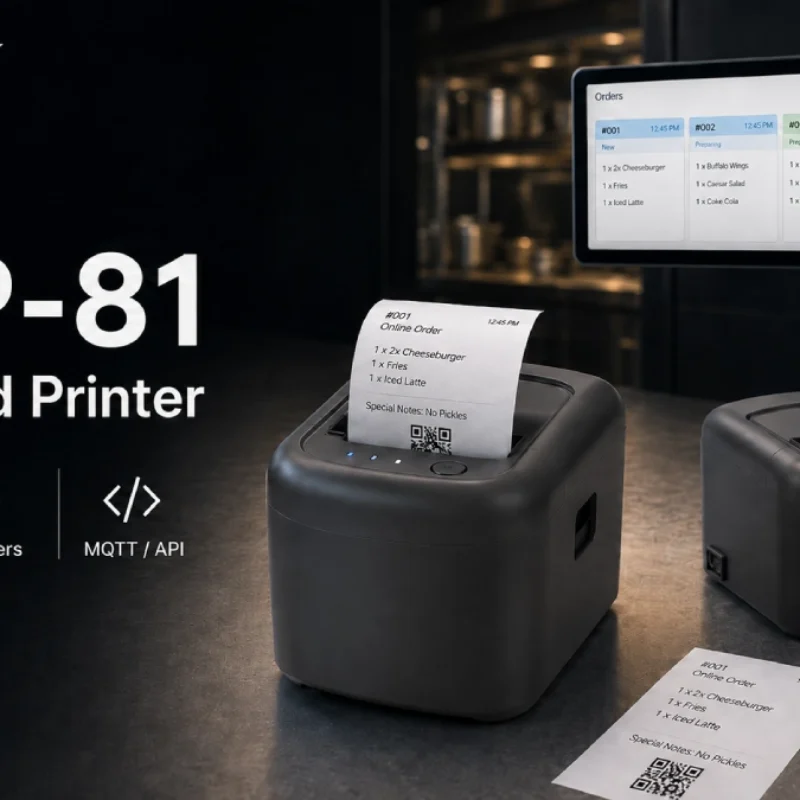
Cloud Printer for Online Food Orders: How Restaurants Keep Delivery Orders Moving
Online food orders are changing how restaurants manage kitchen, packing, and delivery workflows. This article explains how cloud printers and KDS hardware help restaurants print order tickets, improve kitchen visibility, reduce missed orders, and build a more reliable online food order workflow.
-
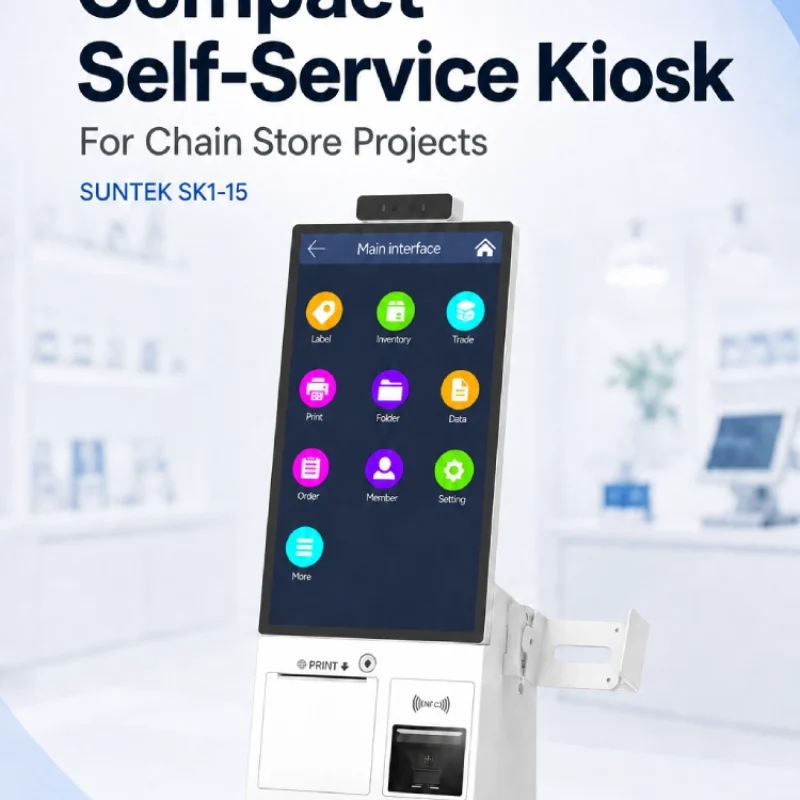
Compact Self-Service Kiosk for Chain Store Projects
SUNTEK SK1-15 is a compact self-service kiosk designed for chain store projects, solution providers, and system integrators. This article explains how SK1-15 supports POS holder installation, SoftPOS-ready NFC configurations, QR code scanning, magnetic stripe card reader options, face camera support, and external fingerprint module integration for front-counter service, payment, identification, and multi-store rollout workflows.
-
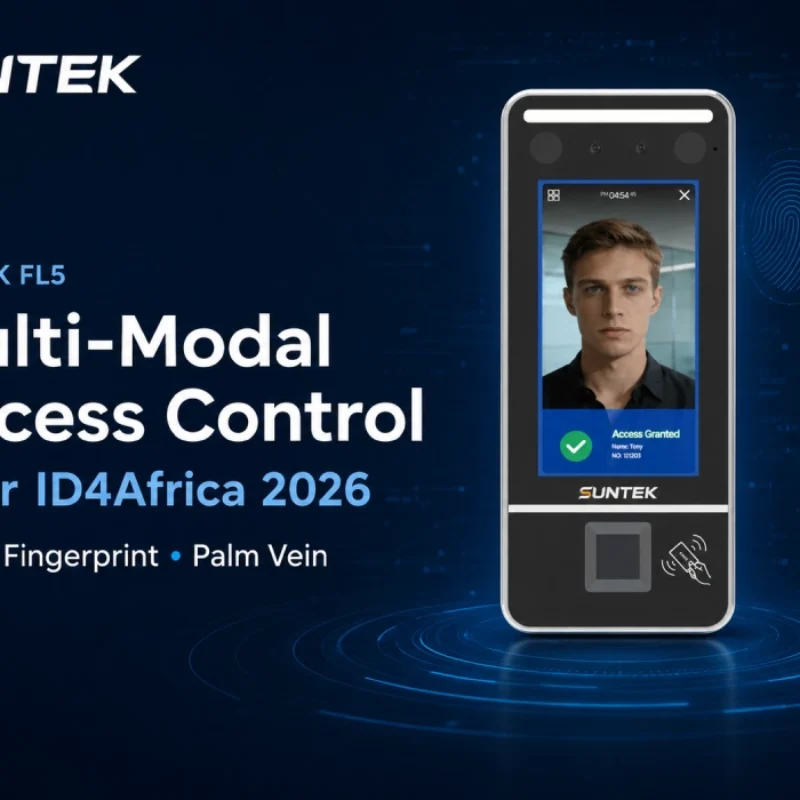
Multimodal Biometrics in Access Control After ID4Africa 2026
This article explores how ID4Africa 2026 reflects the growing importance of multimodal biometrics in access control. It explains why face recognition, fingerprint verification, and palm vein recognition are becoming more relevant for offices, hospitals, schools, government buildings, and secure indoor areas, with SUNTEK FL5 as a hardware example.
-
What NRA Show 2026 Reveals About Restaurant Technology Trends
As NRA Show 2026 opens in Chicago, restaurant operators are paying closer attention to practical technology that improves ordering, payment, kitchen workflows and device management. From SUNTEK’s hardware manufacturer perspective, the key trend is clear: restaurant digitalization is moving from isolated software tools to connected hardware systems, including POS terminals, self-service kiosks, cloud printers, SoftPOS-ready devices and remote management platforms.
-
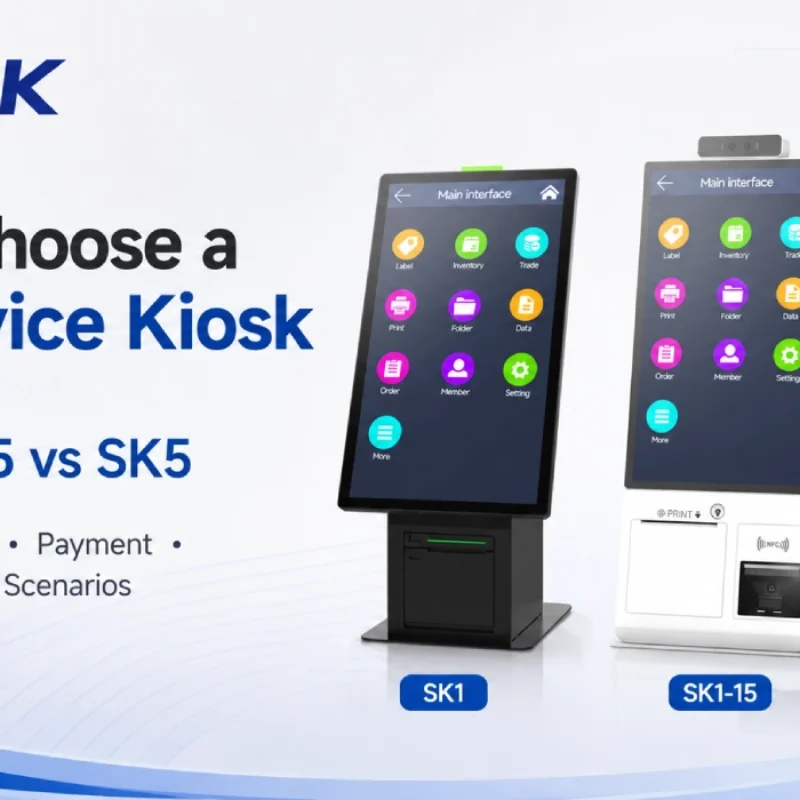
How to Choose a Self-Service Kiosk: SK1 vs SK1-15 vs SK5
Compare SUNTEK SK1, SK1-15, and SK5 self-service kiosks by installation type, SoftPOS support, information kiosk use, payment, printing, scanning, and project scenarios.