
Biometric Identification in LATAM Pharmacies with Healthcare Kiosk Solutions
Key Takeaways
- LATAM healthcare providers face identity fraud, administrative errors, and duplicate record risks.
- Pharmacies are critical identity verification points for prescription fulfillment and social insurance claims.
- Fingerprint identification provides fast, accurate, and practical verification in pharmacy environments.
- The SUNTEK SK5 modular medical terminal supports fingerprint scanners, NFC readers, and other healthcare modules.
- Stable hardware is essential for building trust in biometric healthcare systems.
Why Is Identity Verification a Critical Problem in LATAM Healthcare and Pharmacies?
As of 2026, Latin American healthcare providers are facing a critical challenge: losing approximately 7% to 10% of their annual budgets to identity fraud and administrative errors. In this evolving landscape, transitioning to automated patient identity verification solutions has shifted from a digital luxury to a structural necessity.
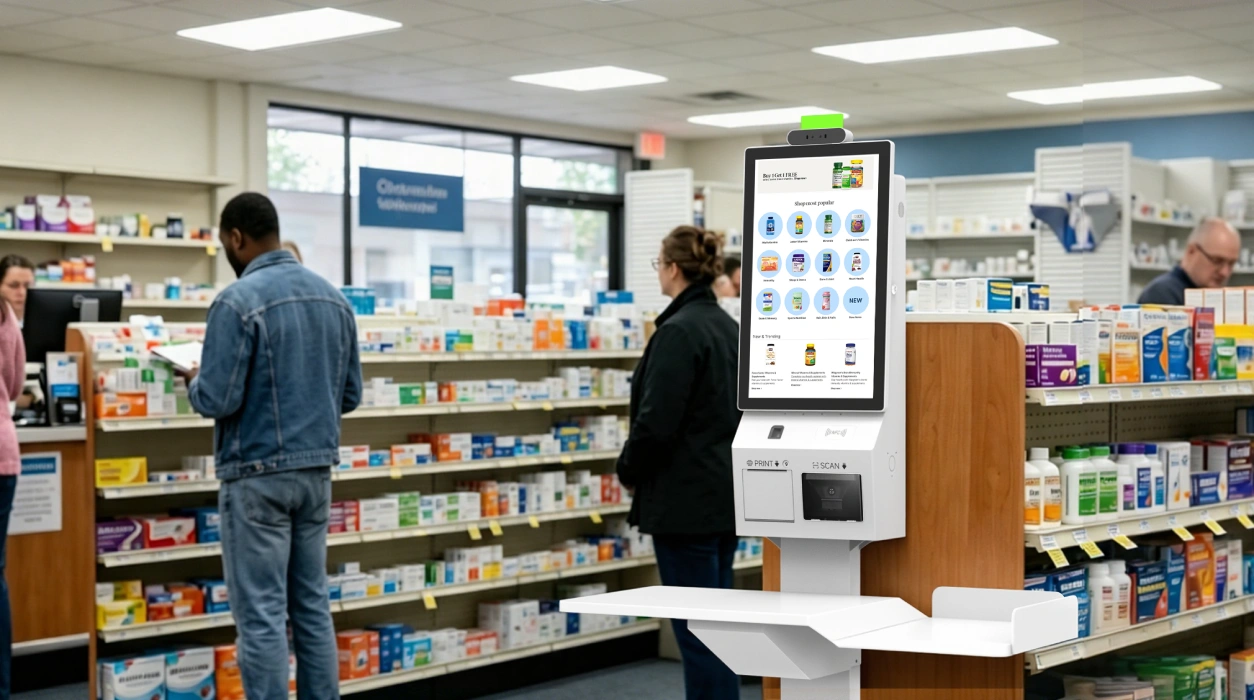
By deploying modular systems like the SUNTEK SK5 healthcare kiosk for biometric identification, which leverages high-precision fingerprint identification, institutions are now able to reduce insurance claim rejections by 22% and improve triage efficiency by up to 300%. This hardware-driven trust layer is currently one of the most effective methods to secure healthcare identity verification workflows and maximize the ROI of self-service kiosks in hospitals and pharmacies.
While digital health initiatives are accelerating across Latin America—driven by Brazil’s LGPD and Argentina’s Law 27.553—identity authenticity remains a persistent weak link. According to research from the Inter-American Development Bank (IDB), inefficiencies and identity-related fraud account for 10% – 15% of total healthcare expenditure leakage in the region.
Insurance Fraud Hotspots: In the pharmacy sector, the absence of real-time identity verification leads to frequent identity theft for social insurance claims, directly threatening the sustainability of healthcare funds.
Duplicate Record Risks: Reports from McKinsey Healthcare indicate that manual data entry results in a 12% duplicate record rate in LATAM hospitals, compromising patient safety and resource management.
How Do Healthcare Kiosk Solutions Improve Identity Verification in Pharmacies?
Healthcare kiosk solutions improve identity verification by automating the front-end identity capture process. Instead of relying on manual document checks or staff-led registration, users can verify their identity through fingerprint identification directly at the kiosk.
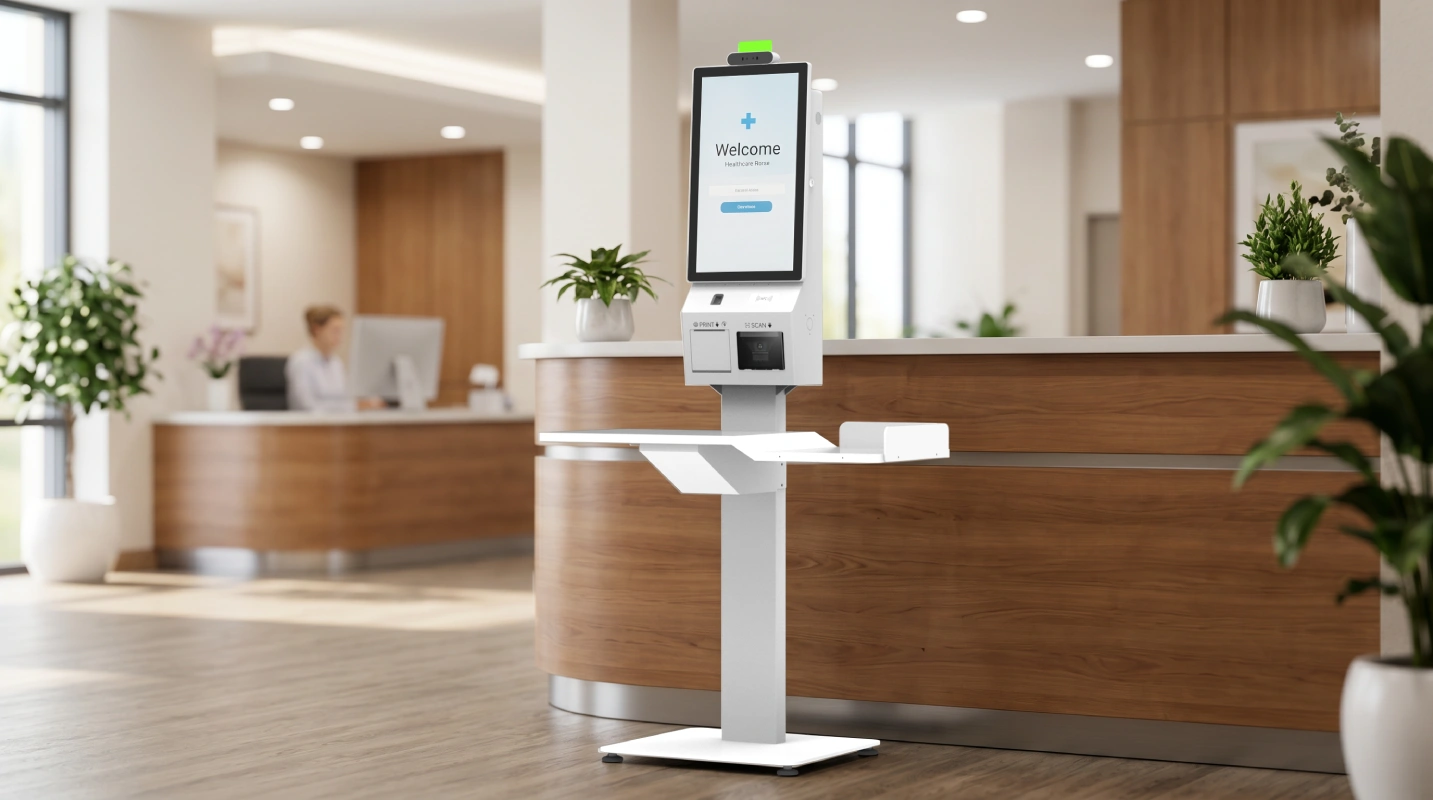
In pharmacy environments, this is especially important because pharmacies often act as the final checkpoint for prescription fulfillment and insurance-based medication distribution. A biometric kiosk can confirm whether the person collecting medication matches the authorized user, reducing fraudulent claims and improving transaction accuracy.
In Spanish-speaking LATAM markets, this can be understood as identificación biométrica en farmacias. In Brazil, the Portuguese search and business context often uses terms such as biometria digital em farmácias and verificação de identidade com impressão digital.
What Is the Strategic ROI of Moving from Manual Verification to Automation?
Transitioning from manual intake to an automated Healthcare Kiosk Solution yields measurable operational gains. When assessing investment, decision-makers must look beyond hardware costs and focus on long-term efficiency.
Performance Pillar Comparison
- Verification Speed: Manual processes take 3-5 minutes; the SK5 biometric workflow takes less than 20 seconds.
- Identity Error Rate: Human error ranges from 2-5%; digital fingerprint matching is less than 0.001%.
- Financial Security: Manual systems face high fraud risk; biometric verification ensures verified claims and stronger transaction control.
By removing the friction of manual intake, medical facilities and pharmacy operators can reallocate administrative staff to higher-value service tasks, improving overall service throughput by an estimated 15% – 20%.
Why Is Fingerprint Identification Important for LATAM Pharmacy Verification?
Fingerprint identification is practical for pharmacy identity verification because it combines speed, accuracy, affordability, and operational simplicity. Unlike manual ID checking, fingerprint verification allows pharmacy systems to connect identity confirmation with prescription pickup and insurance-related workflows.
For LATAM pharmacy networks, this matters because fraud is not only a technical issue; it is also a trust issue. When pharmacy staff cannot reliably verify whether the person collecting medication is the authorized individual, the risk of benefit misuse, duplicate claims, and incorrect dispensing increases.
Fingerprint-based verification helps create a consistent identity checkpoint. It allows pharmacies to confirm user identity at the moment of service, reduce manual judgment errors, and improve the reliability of insurance claim validation.
Expert Insight: Why Hardware Is the Foundation of Digital Trust
“In the LATAM market, the hardware isn’t just a casing; it’s the physical gatekeeper of digital trust. If a fingerprint module cannot adapt to complex clinical environments, the entire digital chain breaks.” —— Taya, Marketing Director at SUNTEK
We have observed that for local system integrators (ISVs) in LATAM, the biggest obstacle to digital adoption is the stability of the front-end capture equipment. Therefore, SUNTEK designed the SK5 with industrial-grade redundancy, ensuring the hardware can precisely match local compliance standards like FBI PIV.
This hardware-first approach is especially important for pharmacy identity verification. A kiosk deployed in a real pharmacy environment must support continuous use, fast fingerprint capture, and stable integration with backend healthcare or insurance platforms.
Engineering Excellence: Inside the SUNTEK SK5 Modular Terminal
As specialized Healthcare Kiosk Manufacturers, SUNTEK designed the SK5 to meet the rigorous demands of Biometria Digital standards. Every detail of the SK5 serves a functional purpose in a clinical or pharmacy environment.
Modular Bay Architecture
The SK5 features dedicated slots for PRINT and HSCAN, allowing integrators to swap modules such as fingerprint scanners, NFC readers, or prescription printers to meet specific national regulations without redesigning the chassis.
Ergonomic Standalone Structure
The reinforced pedestal is built for 24/7 medical environments. Notably, the dual-shelf ergonomic wings allow users to place medical files, prescription documents, or personal bags on the left shelf while completing fingerprint identification comfortably.
Seamless Interoperability
The integrated biometric sensor ensures real-time connectivity with identity databases and healthcare platforms, securing the identity verification process at every touchpoint.
For broader deployment planning, SUNTEK can support healthcare identity verification solutions across pharmacy, hospital, and healthcare service environments.
Real-World Use Case: Pharmacy Identity Verification in LATAM
In many LATAM countries, pharmacies are a key point for prescription fulfillment and insurance-based medication distribution. Without reliable identity verification, fraud and misuse of benefits can occur during medication pickup or reimbursement-related transactions.
By deploying fingerprint-based healthcare kiosks, pharmacies can verify user identity instantly during prescription pickup. This ensures that medications are dispensed to the correct individual, reducing fraud and improving compliance with national healthcare systems.
A typical workflow may include:
- The user arrives at the pharmacy for prescription pickup or insurance-based medication service.
- The user verifies identity through fingerprint identification on the SK5 kiosk.
- The kiosk confirms identity through the connected healthcare, insurance, or pharmacy system.
- The pharmacy staff completes the medication dispensing process with stronger identity assurance.
This workflow supports both operational efficiency and identity security, making it suitable for LATAM pharmacy networks, social insurance programs, and healthcare service providers.
How Does the SUNTEK SK5 Support Local Integrators in LATAM?
For local system integrators, the challenge is not only choosing a kiosk, but choosing hardware that can be adapted to different project requirements. LATAM markets often require flexibility across languages, identity systems, payment environments, and regulatory frameworks.
The SK5 supports modular configuration, allowing integrators to combine fingerprint identification, NFC, printing, and other functional modules based on project needs. This helps reduce redesign cost, accelerate deployment, and support scalable pharmacy identity verification projects.
If your project requires a customized deployment model, you can request a pharmacy kiosk solution consultation for the Latin American market.
FAQ
What is a healthcare kiosk solution for pharmacies?
A healthcare kiosk solution for pharmacies is a self-service terminal that supports identity verification, prescription pickup workflows, insurance-related verification, or other healthcare service functions in pharmacy environments.
How does fingerprint identification reduce pharmacy fraud?
Fingerprint identification reduces pharmacy fraud by verifying whether the person collecting medication or using insurance benefits matches the authorized individual. This helps prevent identity misuse, duplicate claims, and unauthorized prescription pickup.
Why is biometric identification important in LATAM pharmacies?
Biometric identification is important in LATAM pharmacies because pharmacies often participate in prescription fulfillment and insurance-based medication distribution. Reliable identity verification helps reduce fraud and improve service accuracy.
Why is the SUNTEK SK5 suitable for pharmacy identity verification?
The SUNTEK SK5 is suitable because it supports modular hardware configuration, fingerprint identification, NFC, printing, and ergonomic self-service operation. This makes it adaptable for pharmacy, hospital, and healthcare identity verification scenarios.
Is biometric pharmacy verification compliant with LATAM regulations?
Compliance depends on the local legal and data protection framework. In Brazil, projects should consider LGPD requirements. Hardware platforms such as SK5 can support compliant deployment when integrated with proper data handling, consent, and system security processes.
Conclusion: Shaping a Trusted Digital Future
Identity verification is the starting point of a safe digital healthcare journey. Healthcare Kiosk Solutions with integrated biometrics serve as the essential bridge connecting the physical world to digital records.
For LATAM pharmacies, fingerprint-based identity verification can reduce fraud, improve prescription fulfillment accuracy, and strengthen trust in healthcare service workflows. SUNTEK is committed to providing the hardware foundation needed to close the trust gap in the global healthcare system through stable, modular, and secure platforms like the SK5.
相关新闻
-
FA10 10.1-Inch AI Facial Recognition Terminal for Smart Access
SUNTEK FA10 10.1-inch AI facial recognition terminal is designed for smart access control, visitor management, attendance, and self-service applicatio…
-
How to Choose the Right POS Terminal: SC1 vs SC2 vs SC6
Selecting the right POS terminal depends on your software requirements, hardware expectations and deployment environment. This guide compares SUNTEK S…
-
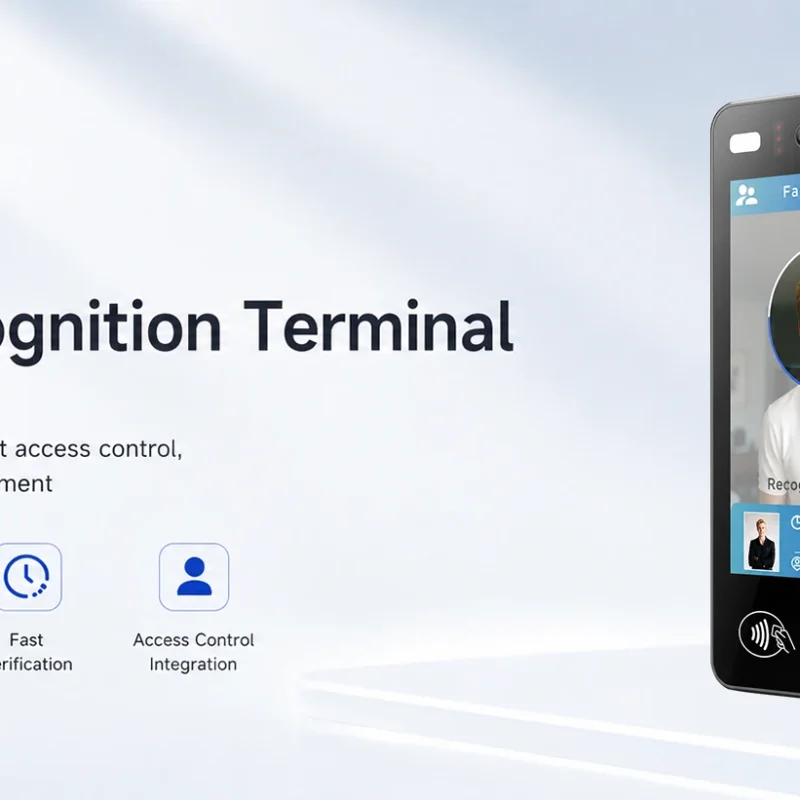
Updated FA8 Facial Recognition Terminal
SUNTEK has updated the FA8 8-inch Android facial recognition terminal with a more refined exterior design, a revised interface configuration, and stro…
-
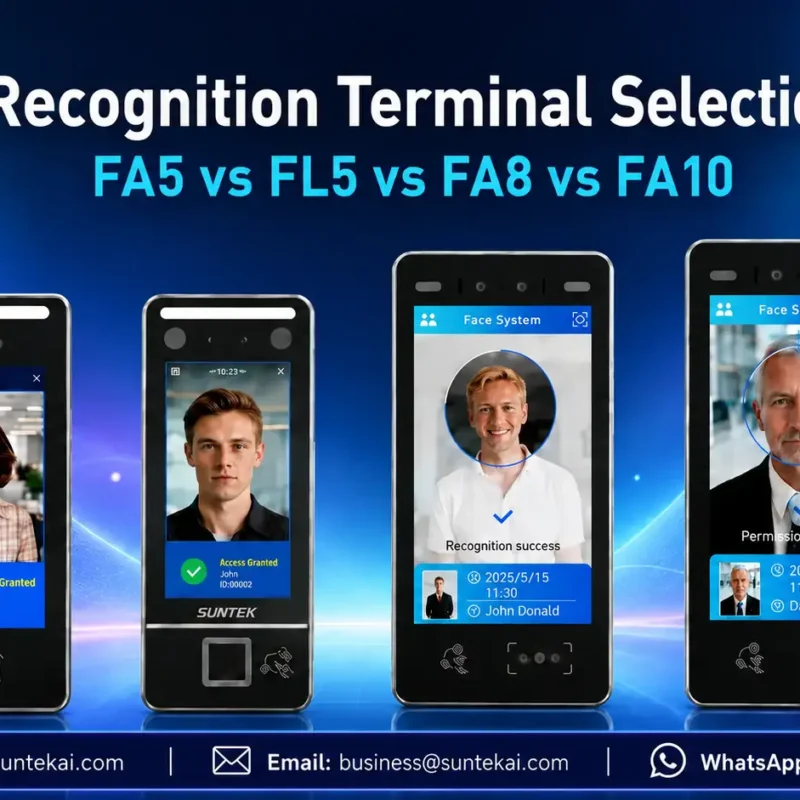
Facial Recognition Terminal Selection Guide: FA5 vs FL5 vs FA8 vs FA10
This guide compares SUNTEK FA5, FL5, FA8, and FA10 to help you choose the right facial recognition terminal for your project. Which SUNTEK Facial Reco…
-
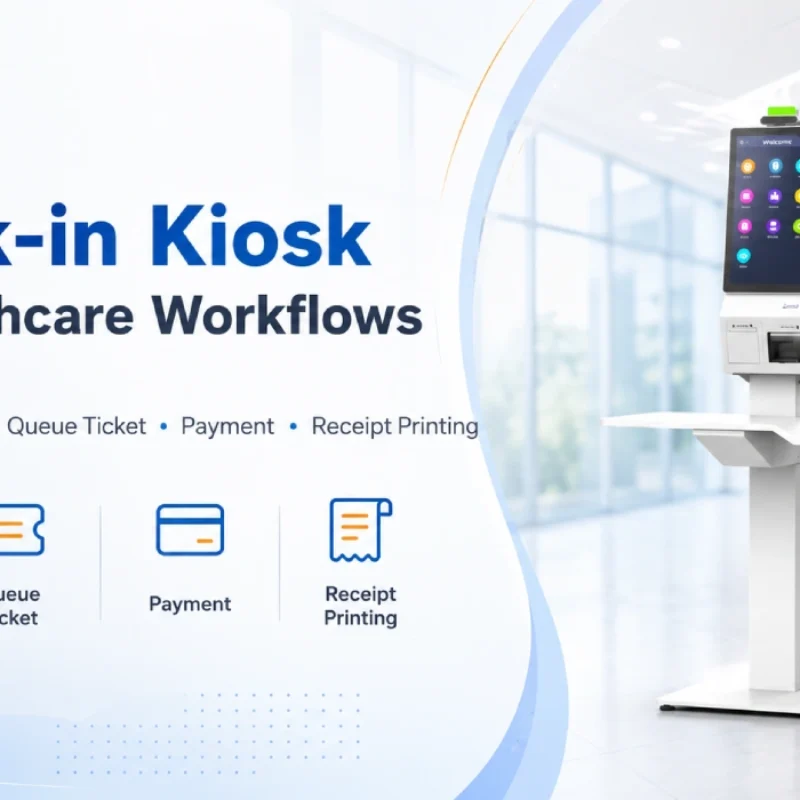
Check-In Kiosk Hardware for Healthcare Self-Service
A check-in kiosk helps healthcare facilities move repetitive front-desk tasks into a guided self-service registration workflow. This article explains how check-in kiosks support appointment confirmation, information entry, queue ticket printing, payment, receipt printing, and optional verification, while also outlining key hardware modules and deployment considerations for hospitals, clinics, and outpatient care centers.
-
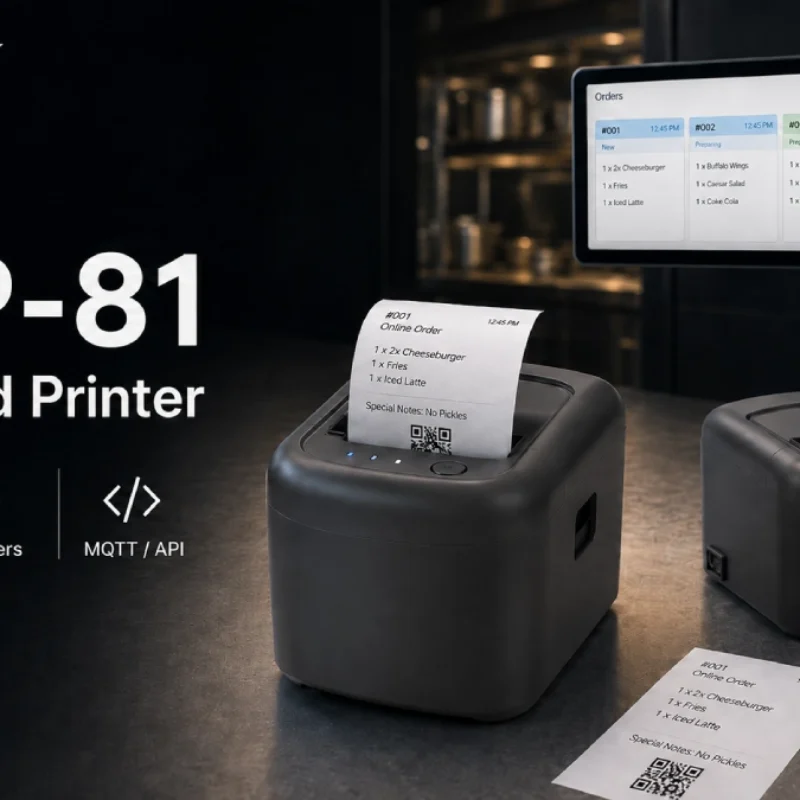
Cloud Printer for Online Food Orders: How Restaurants Keep Delivery Orders Moving
Online food orders are changing how restaurants manage kitchen, packing, and delivery workflows. This article explains how cloud printers and KDS hardware help restaurants print order tickets, improve kitchen visibility, reduce missed orders, and build a more reliable online food order workflow.
-
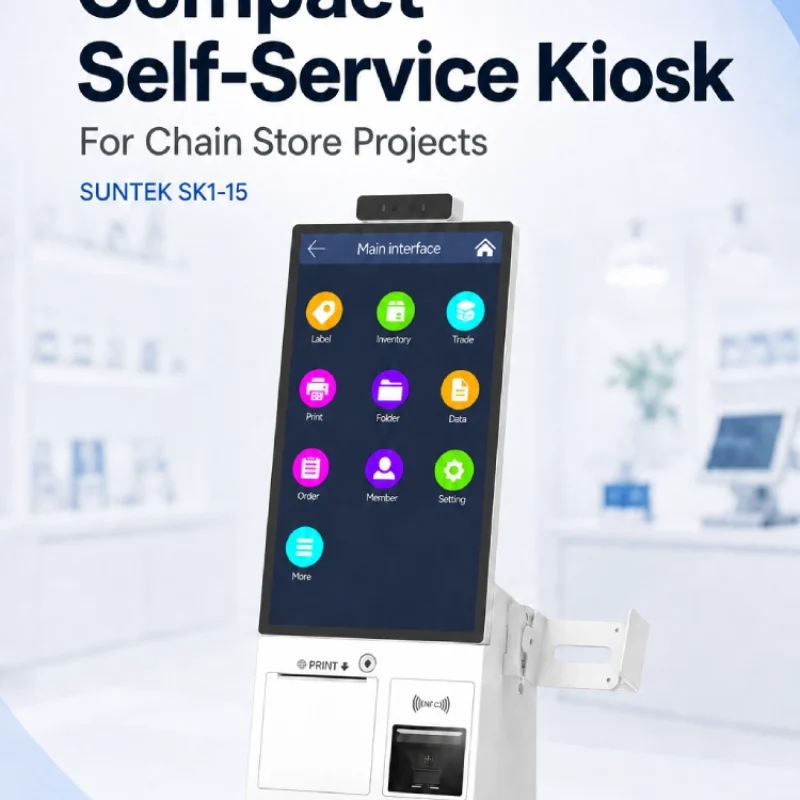
Compact Self-Service Kiosk for Chain Store Projects
SUNTEK SK1-15 is a compact self-service kiosk designed for chain store projects, solution providers, and system integrators. This article explains how SK1-15 supports POS holder installation, SoftPOS-ready NFC configurations, QR code scanning, magnetic stripe card reader options, face camera support, and external fingerprint module integration for front-counter service, payment, identification, and multi-store rollout workflows.
-
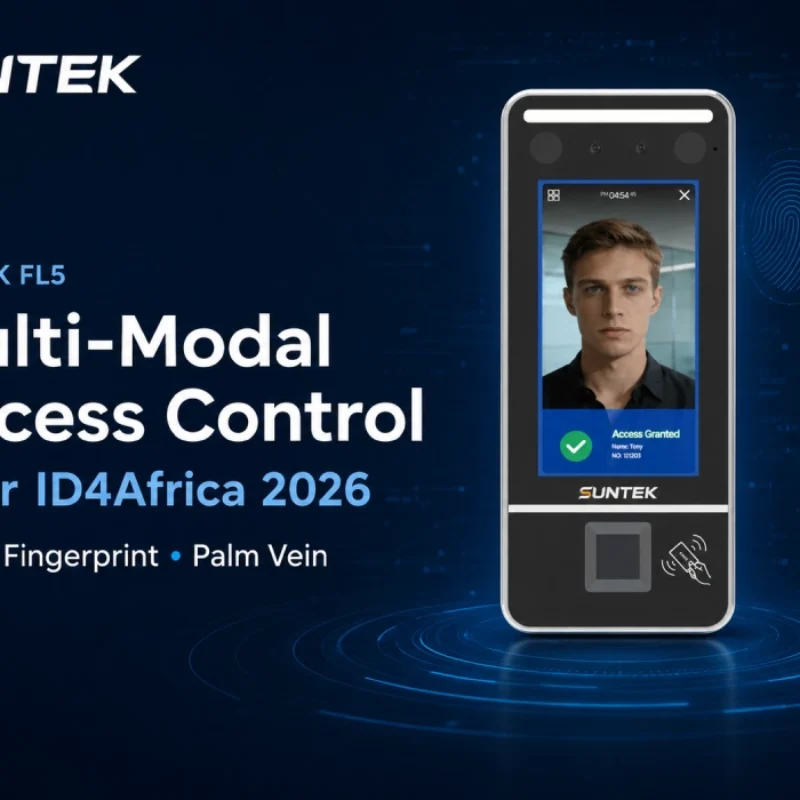
Multimodal Biometrics in Access Control After ID4Africa 2026
This article explores how ID4Africa 2026 reflects the growing importance of multimodal biometrics in access control. It explains why face recognition, fingerprint verification, and palm vein recognition are becoming more relevant for offices, hospitals, schools, government buildings, and secure indoor areas, with SUNTEK FL5 as a hardware example.
-

What NRA Show 2026 Reveals About Restaurant Technology Trends
As NRA Show 2026 opens in Chicago, restaurant operators are paying closer attention to practical technology that improves ordering, payment, kitchen workflows and device management. From SUNTEK’s hardware manufacturer perspective, the key trend is clear: restaurant digitalization is moving from isolated software tools to connected hardware systems, including POS terminals, self-service kiosks, cloud printers, SoftPOS-ready devices and remote management platforms.
-
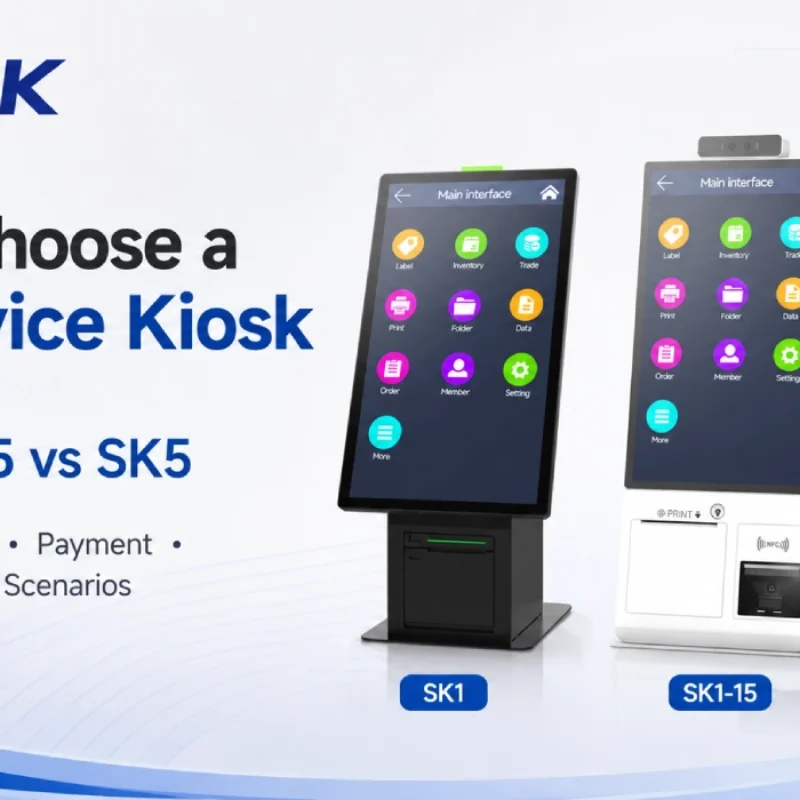
How to Choose a Self-Service Kiosk: SK1 vs SK1-15 vs SK5
Compare SUNTEK SK1, SK1-15, and SK5 self-service kiosks by installation type, SoftPOS support, information kiosk use, payment, printing, scanning, and project scenarios.