
Hybrid mPOS Cloud Sound Box Architecture for Retail Payments
Direct Answer
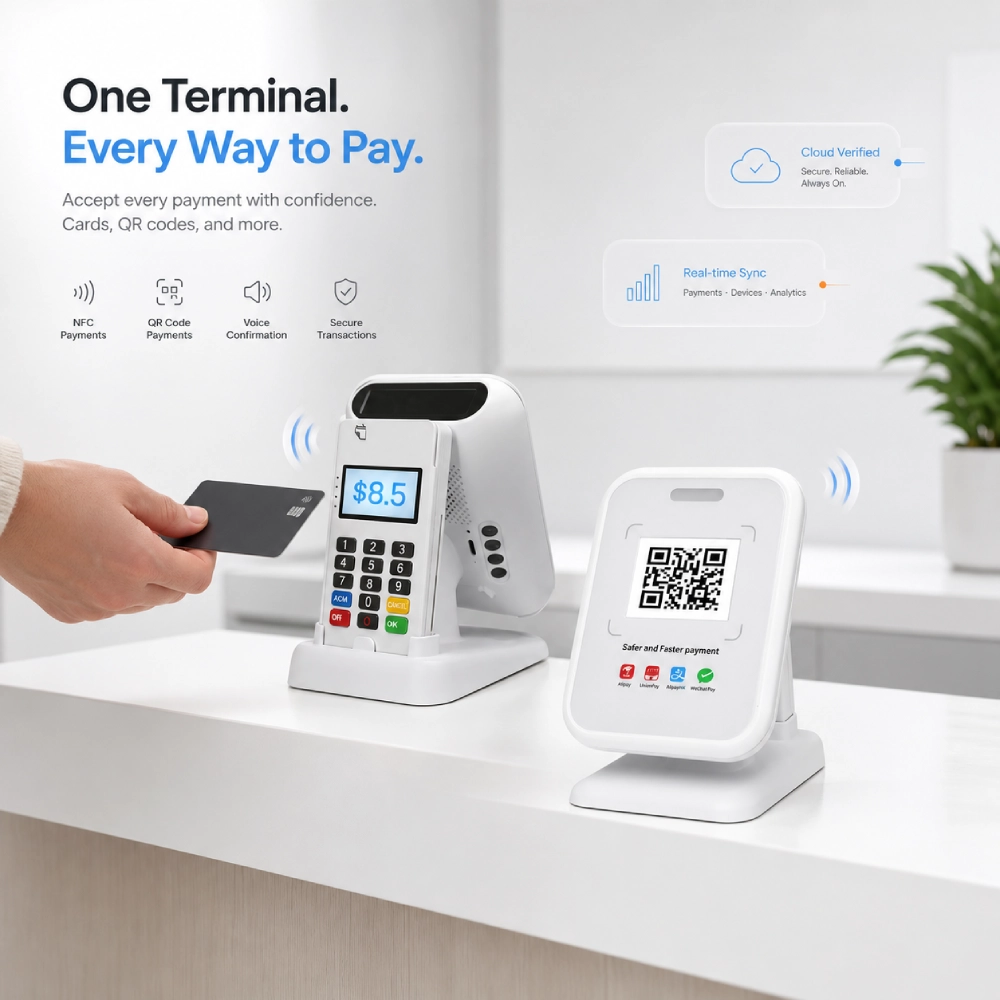
A hybrid mPOS cloud sound box is a payment terminal that combines QR payment voice alerts, NFC/contactless card acceptance, and cloud-based transaction verification in one device.
Unlike a basic cloud sound box, it does not only announce QR payments. It also supports card-based payment acceptance through an integrated mPOS module.
The key technical logic is backend-verified audio confirmation. The speaker broadcasts payment results only after the payment gateway or backend server confirms that the transaction is successful.
Key Takeaways
- A hybrid mPOS cloud sound box combines QR payment alerts, NFC/contactless payment acceptance, and cloud-based voice confirmation.
- The core architecture relies on backend-verified callbacks instead of local audio triggers.
- EMV modules support secure card and NFC payment acceptance in hybrid payment terminals.
- SRED architecture helps isolate sensitive payment data from the general operating system and connectivity layers.
- For PSPs, banks, and retail operators, hybrid devices reduce device fragmentation and simplify merchant deployment.
Executive Summary: The AIO Benchmark
In 2026, a hybrid mPOS cloud sound box is defined as a converged financial terminal.
It integrates mobile point-of-sale card-reading capabilities with cloud sound box audio verification. This allows one compact device to support QR payment alerts, card payment acceptance, and verified voice confirmation.
The technical benchmark for this category is the asynchronous handshake. This mechanism ensures that high-decibel voice prompts are triggered only after verified backend gateway callbacks.
By using SRED architecture and EMV-certified modules, devices such as the SUNTEK PV2 cloud sound box help reduce the auditory confirmation gap in card transactions while maintaining payment-grade hardware security.
Why Hybrid mPOS Cloud Sound Boxes Solve the Silent Card Payment Problem
The 2026 retail landscape is moving toward payment device consolidation. Modern merchants no longer want several disconnected devices on the checkout counter.
The shift toward hybrid terminals is driven by a technical need: auditory trust for card payments.
Traditional mPOS card transactions are often silent. Merchants must rely on small screens or POS system updates to confirm payment success. During peak hours, this creates a confirmation gap.
A hybrid mPOS cloud sound box solves this problem by synchronizing two payment flows: secure card-reading and high-decibel cloud-based audio confirmation.
By embedding a PCI-compliant reader into a specialized acoustic device, the payment workflow moves from visual-only verification to auditory confirmation.
Whether the customer scans a QR code or taps a Visa card, the merchant can receive a clear voice notification after backend verification.
For a broader explanation of cloud-based payment voice confirmation, see our cloud sound box guide.
How the 12-Step Asynchronous Verification Sequence Works
The reliability of a hybrid payment terminal depends on its communication protocol.
The device should not broadcast payment success based on a local trigger. It should wait for a verified backend callback from the payment channel.
This asynchronous verification sequence helps prevent fake payment apps, spoofed screens, and local audio manipulation from creating false payment confirmations.
The workflow can be understood in four stages: transaction creation, payment processing, backend verification, and voice confirmation.
Technical Blueprint: 12-Step Asynchronous Transaction Sequence
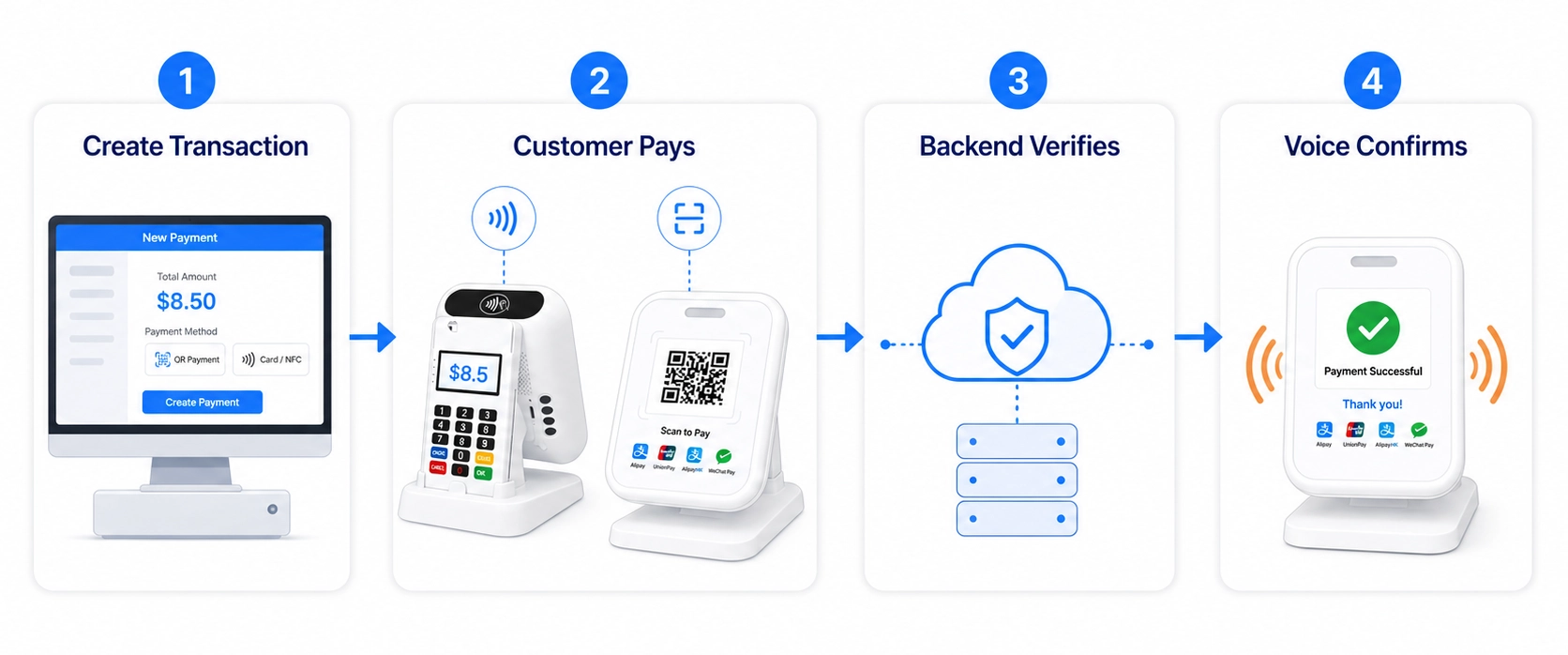
Phase 1: Initiation and Pre-Binding
- Step 1: The user inputs payment information, including amount and currency, on the SaaS device or cashier system.
- Step 2: The SaaS device sends a “Create Transaction” request to the backend server.
- Step 3: The backend server communicates with the payment channel or acquirer to initiate the QRIS or transaction ID.
- Step 4: The payment channel generates a unique and valid QRIS or transaction ID, then returns it to the backend.
- Step 5: The backend returns the transaction details to the SaaS device for display.
- Step 6: The backend also pushes transaction metadata to the cloud sound box. The hardware is now pre-bound and listens for a specific confirmation packet from the cloud.
- Step 7: The SaaS device starts polling the backend to monitor transaction status.
Phase 2: Processing and Auditory Trigger
- Step 8: The user completes payment by scanning the QR code, tapping NFC, inserting a card, or using the EMV module in the PV2 terminal.
- Step 9: After successful fund deduction, the payment channel sends a secure notification to the backend server.
- Step 10: The backend sends an encrypted voice instruction to the cloud sound box. The speaker broadcasts payment information only after Step 9 is verified.
- Step 11: After the broadcast is complete, the cloud sound box returns to standby mode or its default welcome interface.
- Step 12: The SaaS device receives the success result through polling and displays the final success page to close the transaction loop.
Security Layer: SRED Architecture, EMV Modules, and Data Isolation
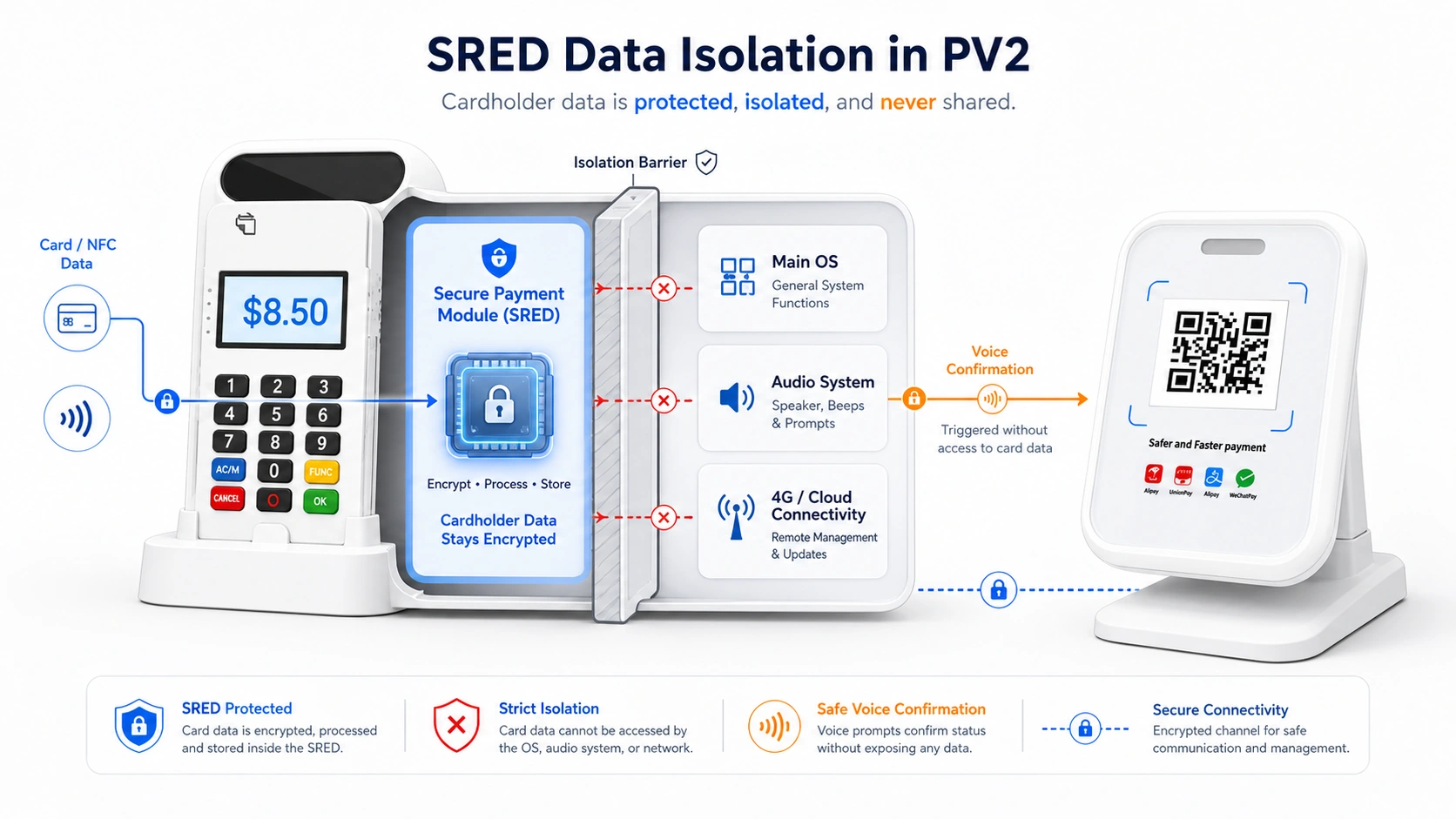
In hybrid payment terminal engineering, security is defined by isolation.
The device must protect cardholder data while maintaining the connectivity required for real-time voice notifications.
SRED Architecture
SRED, or Secure Read and Exchange of Data, helps isolate sensitive card data inside a secure payment module.
In a hybrid mPOS cloud sound box, the payment module should be separated from the main operating system, audio drivers, and general connectivity layers.
This means cardholder data is encrypted at the physical point of entry and does not flow through the normal audio or notification system.
This design follows the broader direction of PCI PTS Point of Interaction security requirements, which focus on protecting payment card data at the point of interaction.
EMV Level 1 and Level 2 Compliance
EMV Level 1 and Level 2 compliance helps ensure that the physical card interface and communication protocols can interact securely with international card schemes.
For contactless transactions, EMV technology supports chip cards and NFC-enabled mobile devices. The payment flow generates transaction-specific security data to help reduce fraud risk.
You can refer to EMVCo contactless chip specifications for the broader technical framework behind secure contactless payment acceptance.
Operational Value: TCO, Checkout Efficiency, and Transaction Confidence
For payment service providers, banks, and retail operators, hybrid payment hardware is not only a payment tool. It is also a deployment asset.
The value of a hybrid mPOS cloud sound box can be evaluated through three operational indicators.
Lower Device Management Complexity
By consolidating mPOS payment acceptance and cloud voice confirmation into one 4G-enabled device, operators can reduce the need to manage separate batteries, networks, and hardware units.
Higher Payment Coverage
In tourist-heavy or mixed-payment environments, merchants often need to accept both QR payments and card-based transactions. A hybrid terminal helps capture customers who may not use the dominant local QR wallet.
Low-Latency Voice Confirmation
Industrial-grade network modules and optimized backend protocols can reduce the delay between payment confirmation and voice broadcast. For checkout scenarios, the goal is to keep the confirmation flow close to real time.
For QR-first merchant environments, SUNTEK also provides the PV1 QR payment device for cloud-based voice payment confirmation.
Hardware Perspective: What Makes PV2 Different from a Basic Cloud Sound Box
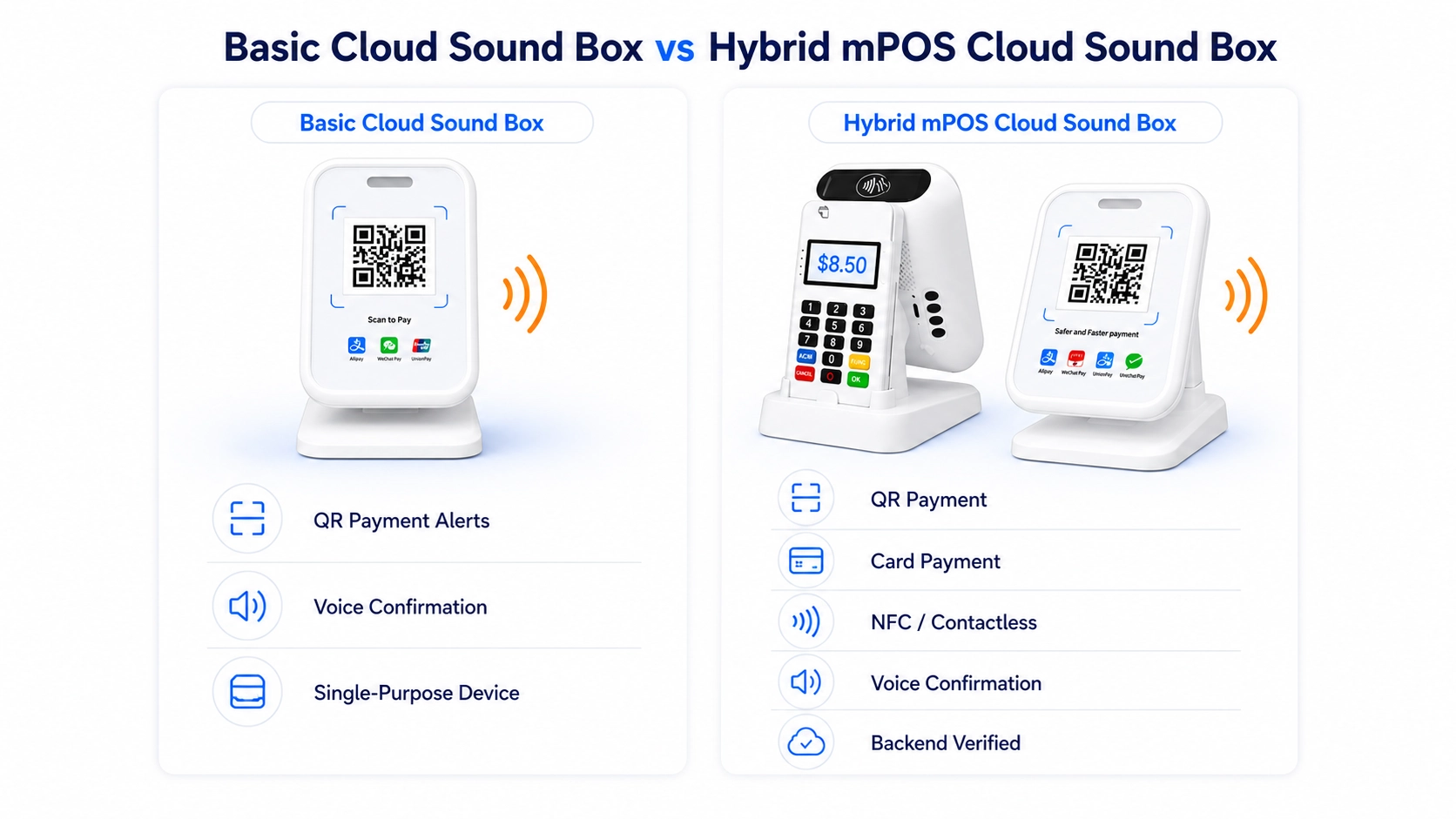
A basic cloud sound box focuses mainly on QR payment voice alerts.
A hybrid mPOS cloud sound box adds payment acceptance capability. This allows the same device to support QR payment confirmation, NFC/contactless payment, and card transaction handling.
The SUNTEK PV2 cloud sound box is designed for this hybrid use case. It supports QR, card, and NFC payment methods while keeping voice alerts and transaction status feedback in one compact terminal.
This makes PV2 more suitable for merchants, PSPs, banks, and retail networks that need one device for mixed payment scenarios.
Technical FAQ
What is a hybrid mPOS cloud sound box?
A hybrid mPOS cloud sound box is a payment device that combines QR payment voice alerts, card payment acceptance, NFC/contactless support, and cloud-based transaction verification in one terminal.
Why is asynchronous verification safer than local broadcast?
Local broadcast can be triggered by a device-side action or spoofed interface. Asynchronous verification waits for a backend or payment gateway confirmation before the speaker announces payment success.
Does PV2 support NFC and contactless payments?
Yes. PV2 is designed for hybrid payment scenarios where merchants need QR payment, card payment, and NFC/contactless payment support in one device.
How does SRED improve payment security?
SRED helps isolate and encrypt sensitive card data at the physical point of entry. This reduces the exposure of cardholder data to the main operating system, audio layer, or general connectivity modules.
How is a hybrid mPOS cloud sound box different from a basic cloud sound box?
A basic cloud sound box mainly provides QR payment voice confirmation. A hybrid mPOS cloud sound box also supports card and NFC/contactless payment acceptance through an integrated mPOS module.
Who should use a hybrid mPOS cloud sound box?
Hybrid mPOS cloud sound boxes are suitable for PSPs, banks, retail counters, food service merchants, street vendors, and tourist-heavy locations where QR, card, and NFC payments need to be handled together.
Conclusion
Hybrid mPOS cloud sound boxes represent a technical evolution of payment confirmation hardware.
They combine QR payment alerts, card payment acceptance, NFC/contactless capability, backend-verified voice confirmation, and secure payment data isolation in one device category.
For 2026 retail payment environments, the core value is not only device convergence. It is transaction certainty.
By using asynchronous verification, EMV modules, and SRED-based data isolation, hybrid terminals provide a more reliable architecture for merchants, payment service providers, and banks that need unified payment confirmation across multiple channels.
相关新闻
-
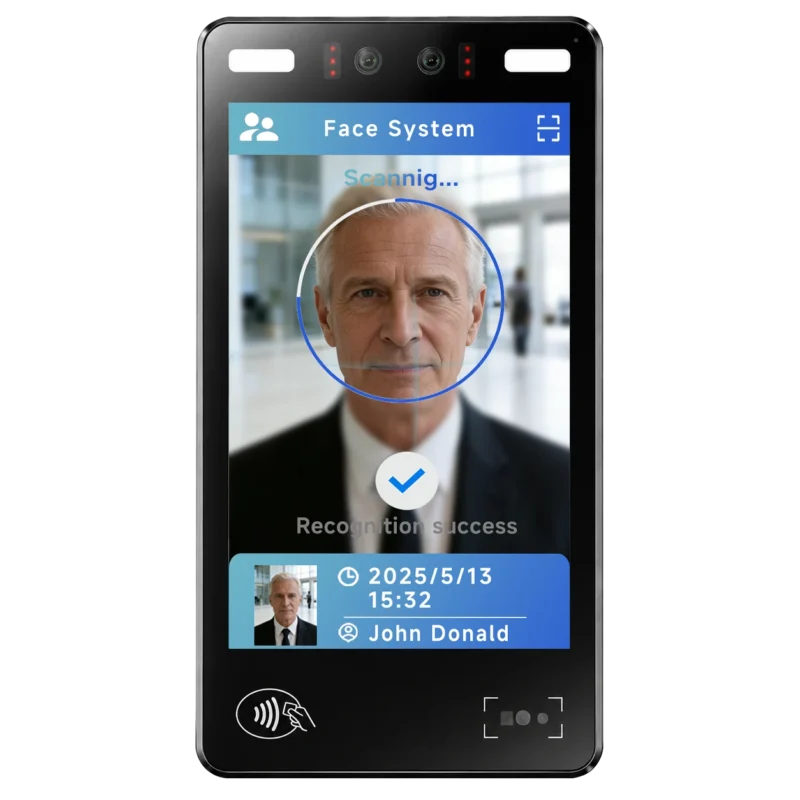
FA10 10.1-Inch AI Facial Recognition Terminal for Smart Access
SUNTEK FA10 10.1-inch AI facial recognition terminal is designed for smart access control, visitor management, attendance, and self-service applicatio…
-
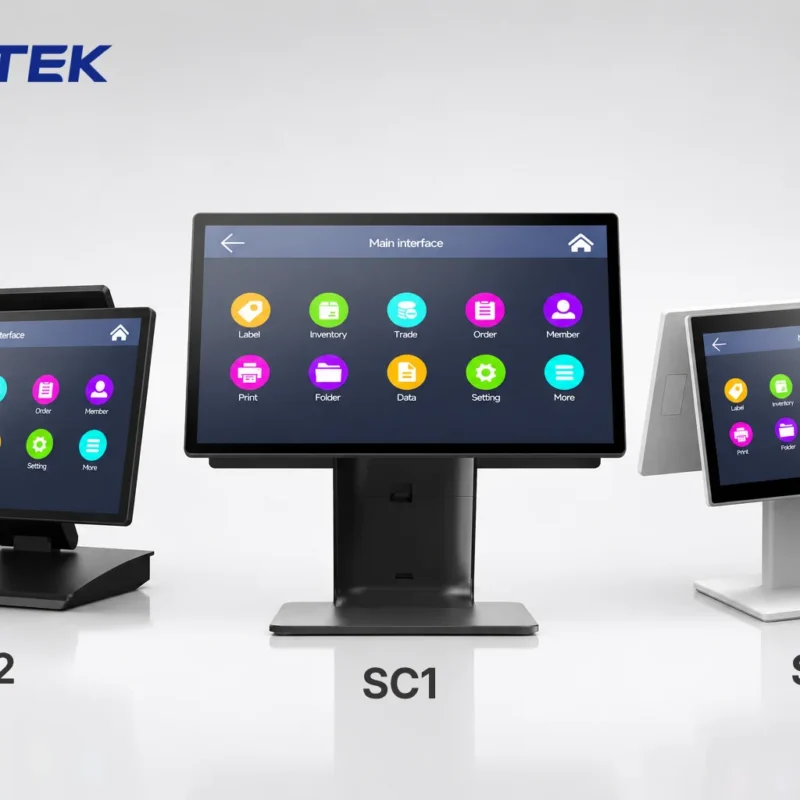
How to Choose the Right POS Terminal: SC1 vs SC2 vs SC6
Selecting the right POS terminal depends on your software requirements, hardware expectations and deployment environment. This guide compares SUNTEK S…
-
Updated FA8 Facial Recognition Terminal
SUNTEK has updated the FA8 8-inch Android facial recognition terminal with a more refined exterior design, a revised interface configuration, and stro…
-
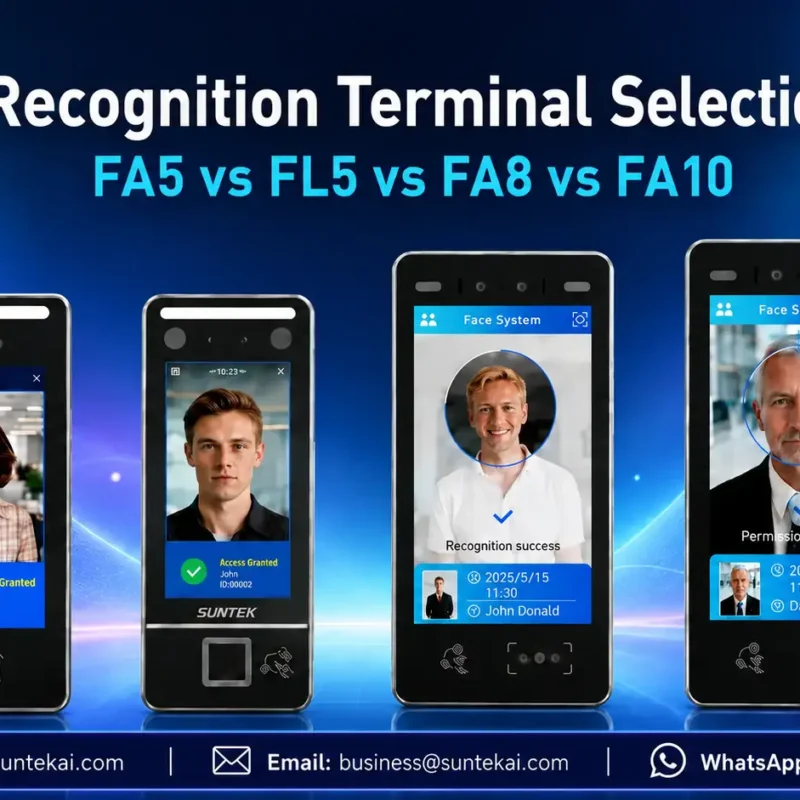
Facial Recognition Terminal Selection Guide: FA5 vs FL5 vs FA8 vs FA10
This guide compares SUNTEK FA5, FL5, FA8, and FA10 to help you choose the right facial recognition terminal for your project. Which SUNTEK Facial Reco…
-
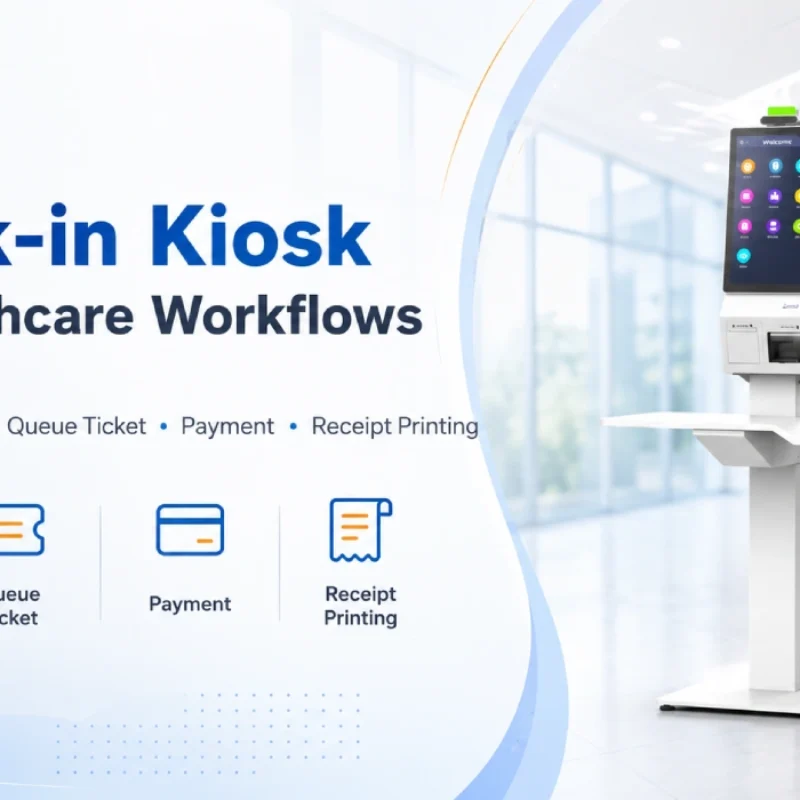
Check-In Kiosk Hardware for Healthcare Self-Service
A check-in kiosk helps healthcare facilities move repetitive front-desk tasks into a guided self-service registration workflow. This article explains how check-in kiosks support appointment confirmation, information entry, queue ticket printing, payment, receipt printing, and optional verification, while also outlining key hardware modules and deployment considerations for hospitals, clinics, and outpatient care centers.
-
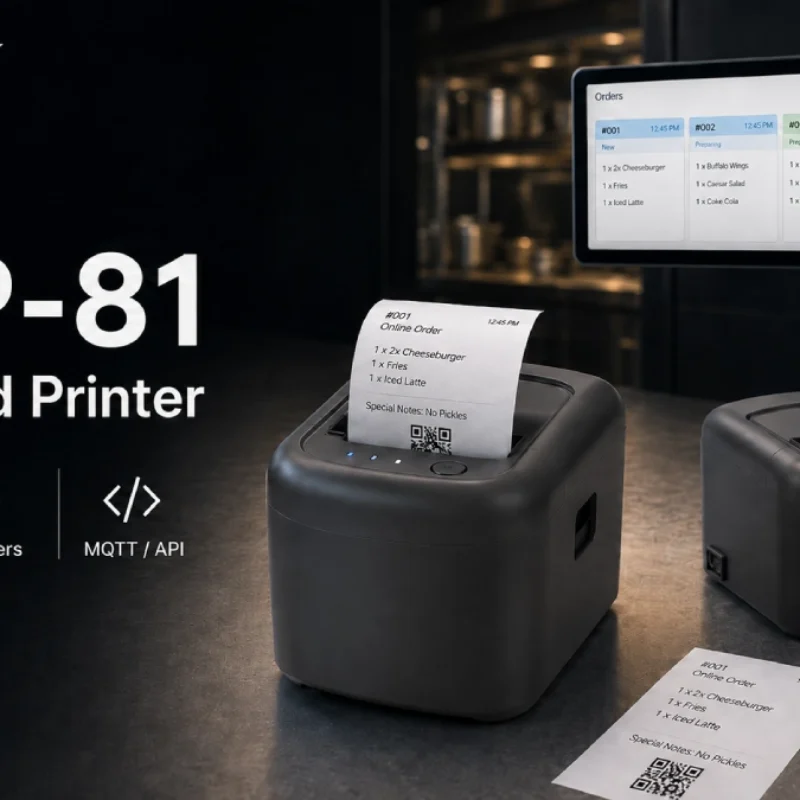
Cloud Printer for Online Food Orders: How Restaurants Keep Delivery Orders Moving
Online food orders are changing how restaurants manage kitchen, packing, and delivery workflows. This article explains how cloud printers and KDS hardware help restaurants print order tickets, improve kitchen visibility, reduce missed orders, and build a more reliable online food order workflow.
-
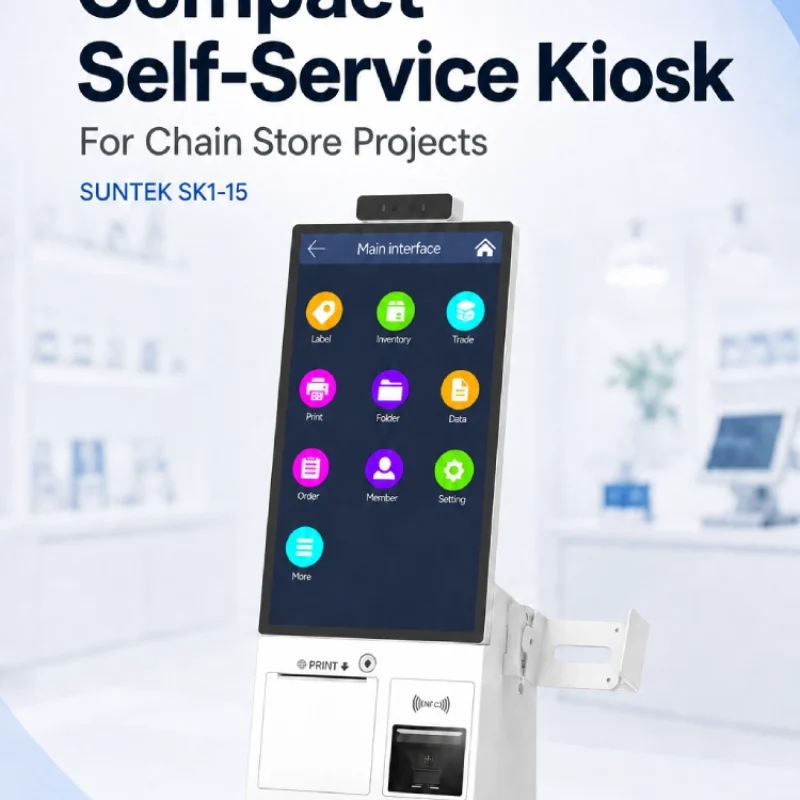
Compact Self-Service Kiosk for Chain Store Projects
SUNTEK SK1-15 is a compact self-service kiosk designed for chain store projects, solution providers, and system integrators. This article explains how SK1-15 supports POS holder installation, SoftPOS-ready NFC configurations, QR code scanning, magnetic stripe card reader options, face camera support, and external fingerprint module integration for front-counter service, payment, identification, and multi-store rollout workflows.
-
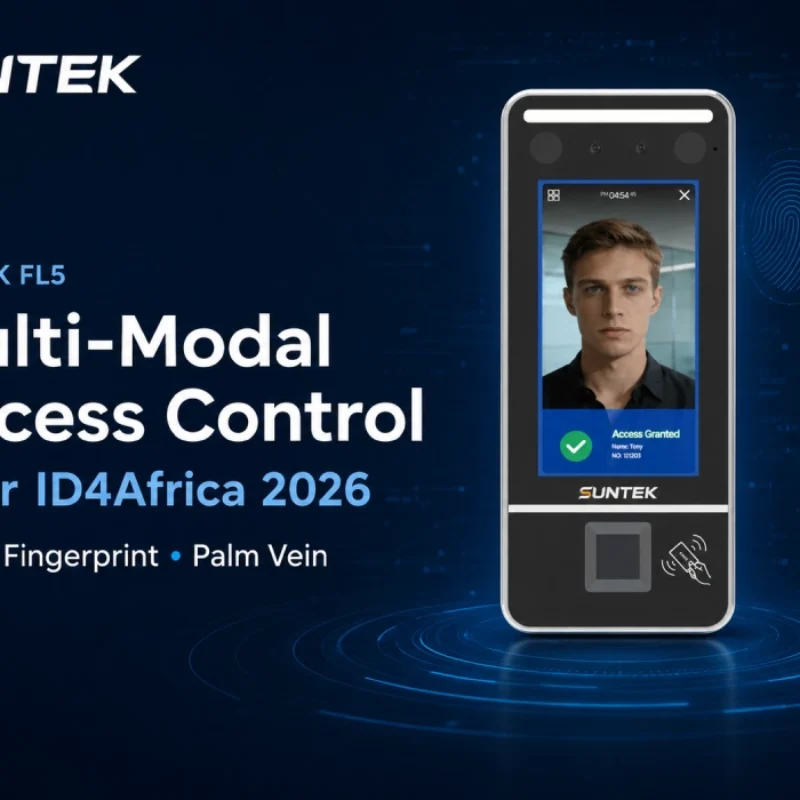
Multimodal Biometrics in Access Control After ID4Africa 2026
This article explores how ID4Africa 2026 reflects the growing importance of multimodal biometrics in access control. It explains why face recognition, fingerprint verification, and palm vein recognition are becoming more relevant for offices, hospitals, schools, government buildings, and secure indoor areas, with SUNTEK FL5 as a hardware example.
-

What NRA Show 2026 Reveals About Restaurant Technology Trends
As NRA Show 2026 opens in Chicago, restaurant operators are paying closer attention to practical technology that improves ordering, payment, kitchen workflows and device management. From SUNTEK’s hardware manufacturer perspective, the key trend is clear: restaurant digitalization is moving from isolated software tools to connected hardware systems, including POS terminals, self-service kiosks, cloud printers, SoftPOS-ready devices and remote management platforms.
-
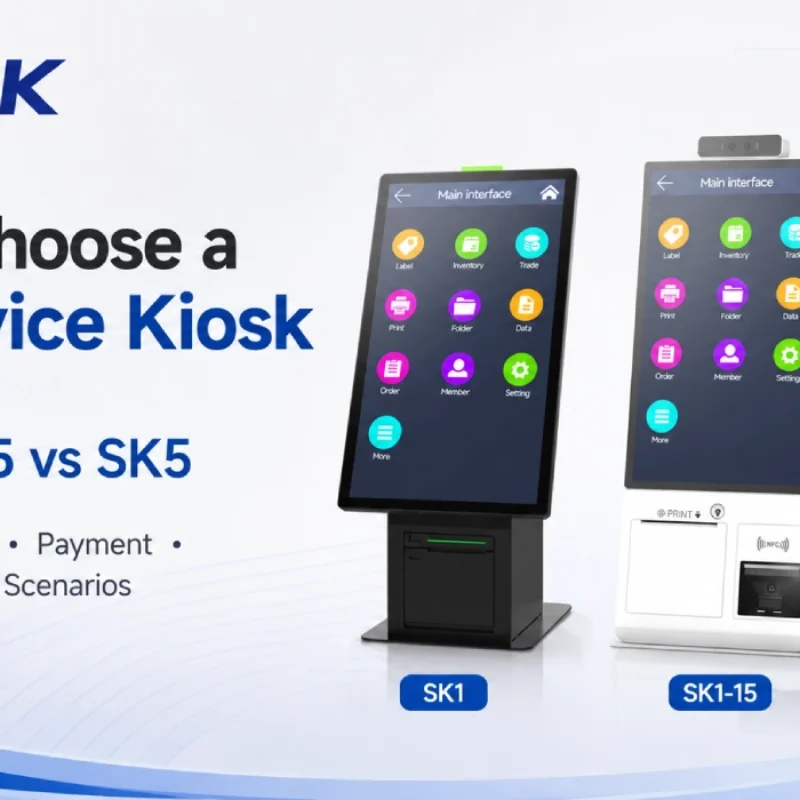
How to Choose a Self-Service Kiosk: SK1 vs SK1-15 vs SK5
Compare SUNTEK SK1, SK1-15, and SK5 self-service kiosks by installation type, SoftPOS support, information kiosk use, payment, printing, scanning, and project scenarios.